S&P 500 Faces Longest Decline Since 2020, $6 Trillion Lost
The S&P 500 index has entered a correction phase, marking its longest losing streak since 2020 amid rising investor concerns.
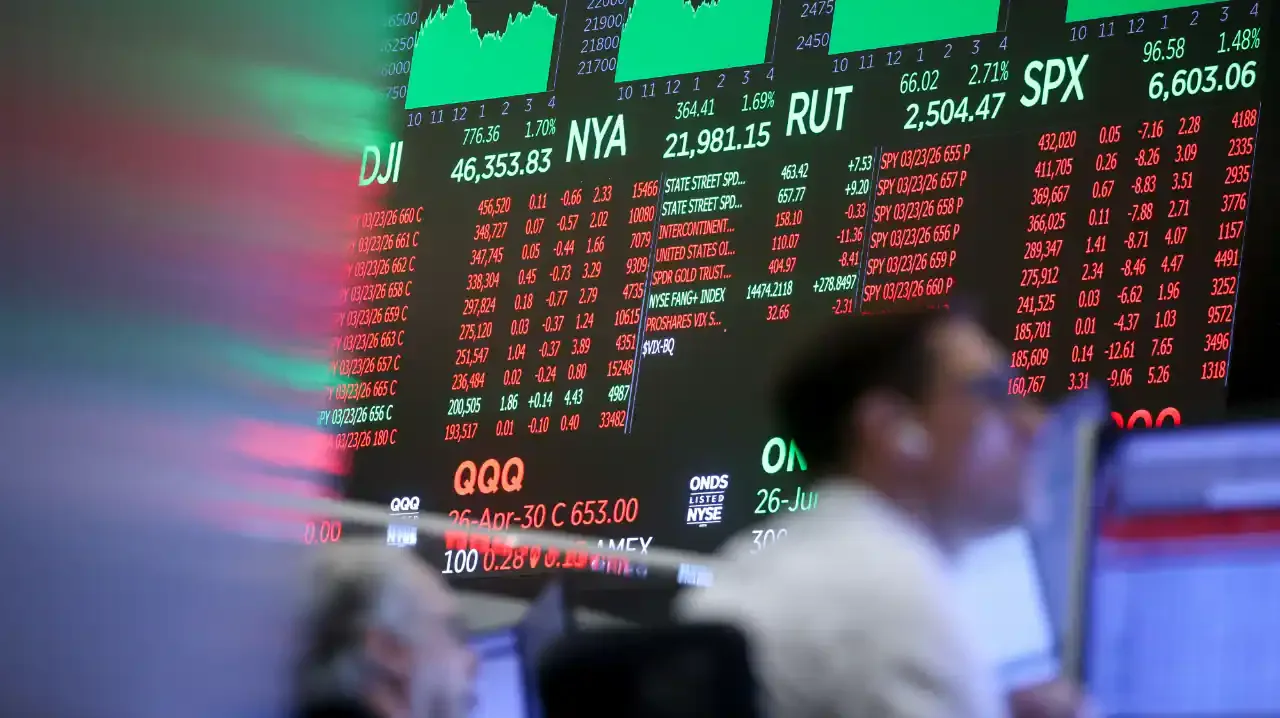
The S&P 500 dropped 3.7% on Friday, marking seven consecutive days of losses.
Investors are shifting towards safer assets like bonds and haven currencies due to market volatility.
Concerns over the sustainability of the AI investment boom are driving the current selloff.
The S&P 500 index has entered a correction phase, losing 3.7% on Friday and marking its longest losing streak since 2020. This decline comes as investors react to growing fears about the viability of the artificial intelligence (AI) trade, leading to a selloff that has resulted in a staggering $6 trillion loss in U.S. markets over the past week. The Nasdaq 100 also experienced significant losses, dropping 5.6% and recording its worst week since March 2020.
The selloff was exacerbated by reports of investigations into Nvidia Corp.'s accounting practices, which saw its shares plummet by 14%. Other tech stocks, such as Anthropic PBC, also faced steep declines. Analysts suggest that this downturn reflects a broader concern regarding the pace and cost of AI development, with many investors reassessing their positions in technology stocks amid fears of slowing growth.
Market volatility has led to heightened anxiety, with Wall Street's fear gauge reaching its highest level since April 2025. The uncertainty has also affected other sectors, including metals and cryptocurrencies, as traders adjust their expectations regarding potential interest rate hikes by the Federal Reserve. Neil Dutta from Renaissance Macro Research cautioned that if the market begins to price out Fed rate hikes, it could indicate deeper issues, including further declines in stock prices.
Despite the current turmoil, some analysts believe that the fundamentals of the market remain strong. Richard Saperstein from Treasury Partners noted that while the market is undergoing a repricing, companies that manage data centers and cybersecurity may benefit from the ongoing demand for their services. However, investors are advised to remain cautious, as inflation and interest rate volatility continue to pose challenges.
Looking ahead, market experts suggest that while the current pullback may present buying opportunities for long-term investors, they should be prepared for continued volatility in the short term. Historical data indicates that most corrections do not lead to bear markets, providing some reassurance amid the current market conditions.