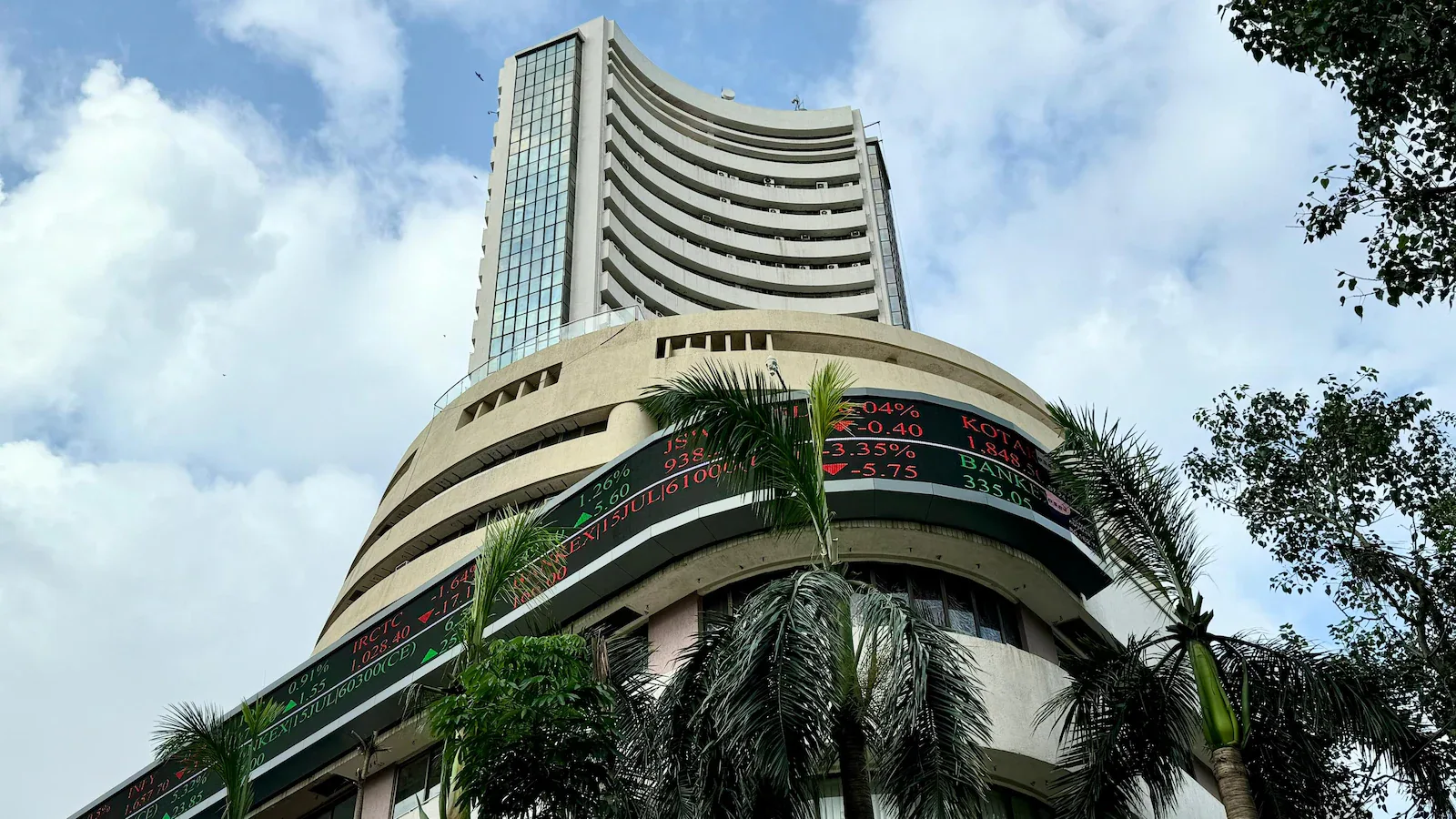
S&P 500 Breaks 53-Day Calm Amid AI Trade Concerns
The S&P 500 Index ends its longest period of stability since early 2020, dropping 1.1% as inflation fears rise.

S&P 500 Index falls 1.1%, ending a 53-session streak without a 1% decline.
Consumer prices increased by 0.6% in September, raising concerns about potential interest rate hikes.
Technology stocks, particularly semiconductor shares, faced significant losses amid market volatility.
The S&P 500 Index has concluded its longest period of stability since before the COVID-19 pandemic, experiencing a 1.1% decline that ended a remarkable 53-session streak without a drop of 1% or more. This downturn comes in the wake of rising concerns regarding the sustainability of the artificial intelligence sector and a report indicating the fastest increase in consumer prices since April, which has unsettled investors.
Historically, the S&P 500 has been buoyed by technology giants that have driven a four-year bull market. However, recent weakness in these mega-cap stocks has contributed to a risk-averse sentiment across the markets. The index has added approximately $13 trillion in market value since late March, but the current climate raises questions about its future trajectory. Notably, a key index tracking semiconductor stocks has now fallen for six consecutive days, with a total decline nearing 12% during this period.
Market analysts have noted that the recent inflation data, which showed a 0.6% rise in consumer prices for September, has intensified fears of further interest rate hikes by the Federal Reserve. Chris Zaccarelli, Chief Investment Officer at Northlight Asset Management, remarked on the impact of these inflation figures, suggesting they diminish hopes for a pause in rate increases. The Russell 2000 Index, which represents smaller companies, also suffered a 1.9% decline, marking an 11% drop from its peak in August.
The sell-off in equities persisted even as Treasury yields decreased from their earlier highs. Concerns surrounding corporate bonds from AI cloud-computing firm CoreWeave Inc. have added to market anxiety, with its unsecured debt trading below 80 cents on the dollar, indicating potential financial distress. This situation has led to a 15% drop in the company's stock price, reflecting broader fears in the tech sector. Matt Maley, Chief Market Strategist at Miller Tabak + Co., noted the simultaneous pressures from credit issues and technology stock performance.
Despite the recent downturn, the S&P 500 remains only 1.3% below its most recent record high. The Cboe Volatility Index (VIX) is trading near 17, indicating a relatively low level of market stress. For equity bulls, there is potential optimism as discretionary money managers, who have been sidelined during the recent rally, may consider entering the market if the sell-off continues. Data from Deutsche Bank AG highlights that discretionary investors' stock exposure is currently at a low point, suggesting a possible shift in market dynamics if conditions stabilize.