Rupee Rebounds to ₹93.63 Amid RBI Interventions
The Indian rupee shows signs of recovery against the dollar, reaching ₹93.63, but questions remain about long-term stability.
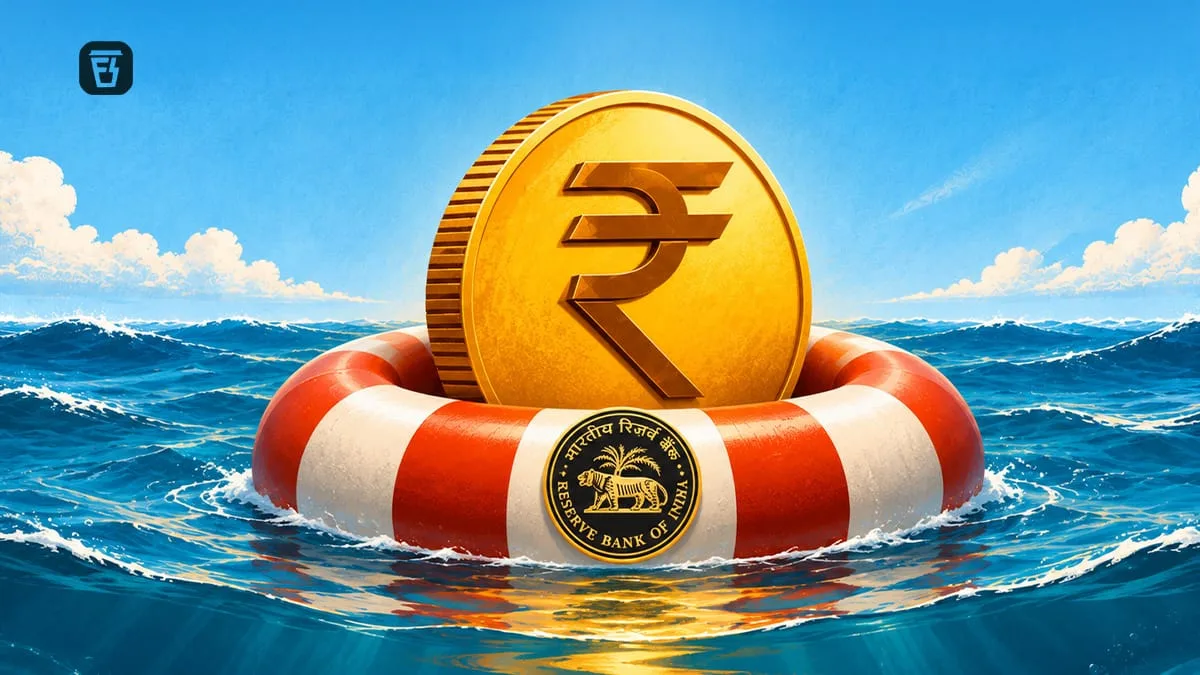
The rupee fell to ₹96 in March 2026 but has since recovered to ₹93.63.
India's merchandise exports grew by 23% in September, aiding the rupee's recovery.
Despite RBI measures, global factors continue to influence the dollar's strength.
The Indian rupee has recently shown signs of recovery, reaching ₹93.63 against the US dollar after hitting a low of ₹96 in March 2026. This rebound has raised questions about whether the Reserve Bank of India (RBI) has successfully stabilized the currency or if other factors are at play.
Throughout 2026, the rupee faced significant challenges, particularly against the dollar. However, recent data indicates a shift, with the rupee achieving its best performance in six months. To fully understand this recovery, it is essential to look beyond the exchange rate and consider the Real Effective Exchange Rate (REER), which suggests that the rupee has become cheaper in real terms over the past year.
Several factors have contributed to the rupee's recent strength. Notably, India's merchandise exports have increased significantly, with a 23% rise in September, leading to a narrowing of the trade deficit. Furthermore, foreign portfolio investments have seen a reversal, with foreign investors purchasing nearly $6 billion in Indian equities in November, which has increased the demand for rupees as they convert dollars for investment.
The RBI has also played a crucial role in this recovery by implementing measures to manage dollar demand. This includes establishing a special dollar window for major oil companies, which has alleviated pressure on the forex market. Additionally, the RBI has raised repo rates and introduced a Foreign Exchange Risk Reserve to support the rupee. However, while these actions have eased immediate demand for dollars, they do not eliminate it entirely.
Looking ahead, the outlook for the rupee remains uncertain. Global factors, such as the strengthening US dollar driven by rising interest rates, continue to pose challenges. Moreover, India's dependence on imported energy and the widening trade deficit could hinder sustained recovery. For long-term stability, India must enhance its manufacturing capabilities and reduce reliance on foreign capital, fostering a more competitive economy to support the rupee's value in the global market.