RBI Signals Potential Rate Hikes Amid Rupee Volatility
The Reserve Bank of India hints at further measures to stabilize the rupee, which has recently rebounded from a near-record low.
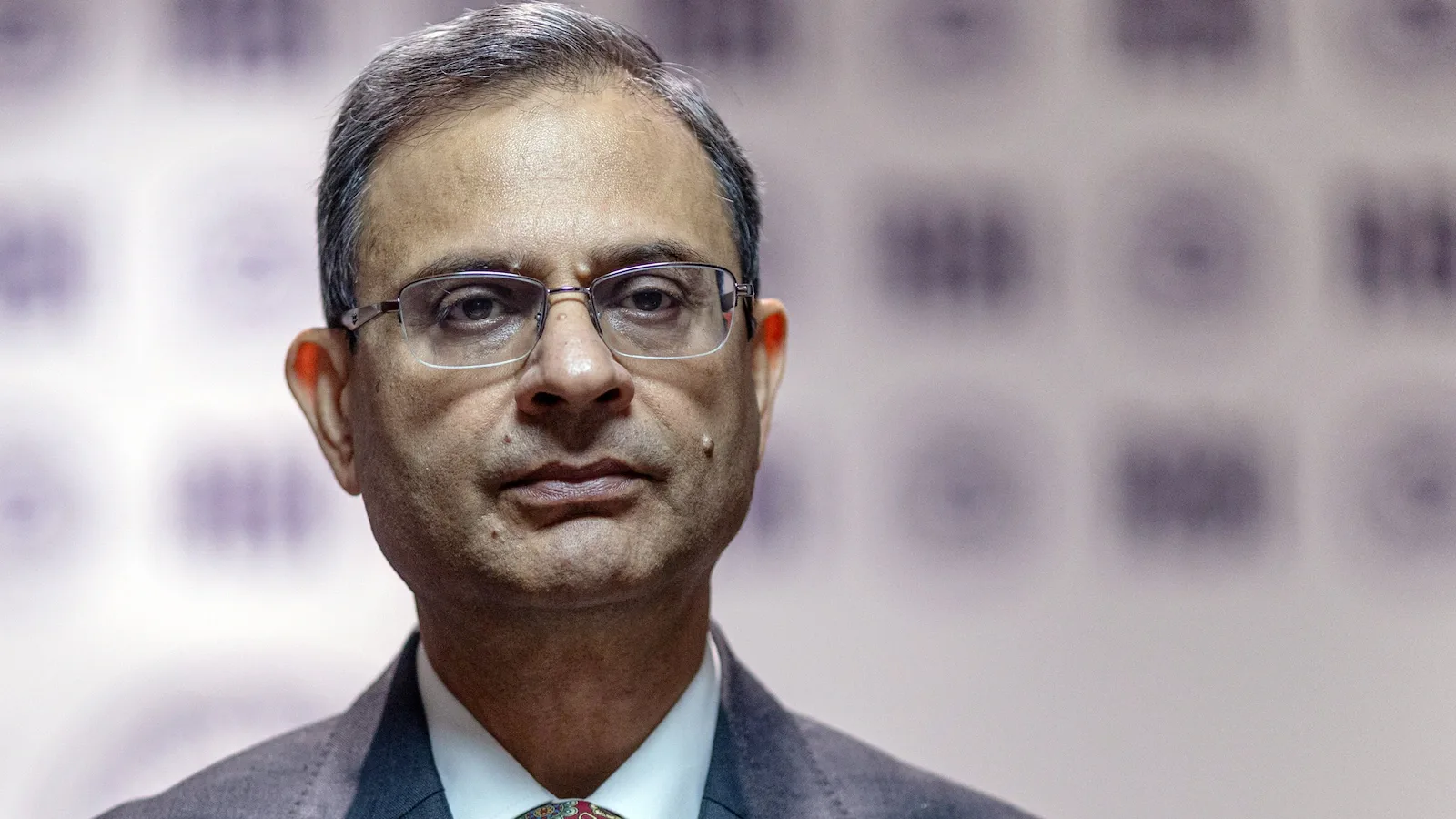
RBI Governor Sanjay Malhotra indicates readiness for additional measures to curb market speculation.
Recent interest rate hikes and potential changes in lending rates could impact the rupee's stability.
Analysts suggest greater exchange rate flexibility as a long-term solution for rupee volatility.
The Reserve Bank of India (RBI) has taken significant steps to defend the Indian rupee, which recently recovered from a near-record low against the US dollar. In a recent interview, RBI Governor Sanjay Malhotra emphasized that the central bank is prepared to implement further measures if necessary to combat speculative trading that could destabilize the currency.
Historically, the RBI has intervened in currency markets during times of volatility. The current situation is particularly challenging due to India's heavy reliance on energy imports, which makes the rupee vulnerable to fluctuations in global oil prices. The RBI's recent interest rate hike from 5.25% to 5.5% marks the first increase in nearly four years, signaling a shift in policy as the bank grapples with rising inflation and a narrowing yield gap with the US.
Key strategies being considered by the RBI include larger rate hikes and adjustments to the Marginal Standing Facility (MSF) rate, which could tighten liquidity and make borrowing more expensive for banks. Analysts suggest that increasing the MSF rate could help strengthen the rupee by narrowing the gap between domestic and foreign interest rates. Additionally, the RBI may consider allowing greater flexibility in exchange rates, enabling the rupee to adjust more naturally to market conditions, rather than through abrupt corrections.
The implications of these potential measures are significant for both the Indian economy and its citizens. A stronger rupee could alleviate some pressures on inflation and reduce the costs associated with energy imports. However, it is crucial for the RBI to balance these actions carefully to avoid stifling economic growth. The ongoing volatility in the rupee also reflects broader trends in global markets, where investors are increasingly cautious amid geopolitical tensions and economic uncertainties.
Looking ahead, the RBI's next steps will be closely monitored by market analysts and investors. Future meetings and policy announcements will be critical in determining how effectively the central bank can stabilize the rupee and manage inflationary pressures. As the situation evolves, stakeholders will be keen to see how the RBI navigates these challenges while fostering a stable economic environment.