RBI Introduces 'Stop Switch' to Enhance Digital Payment Security
The Reserve Bank of India proposes new measures to empower customers against digital fraud, including a 'Stop Switch' for payments.
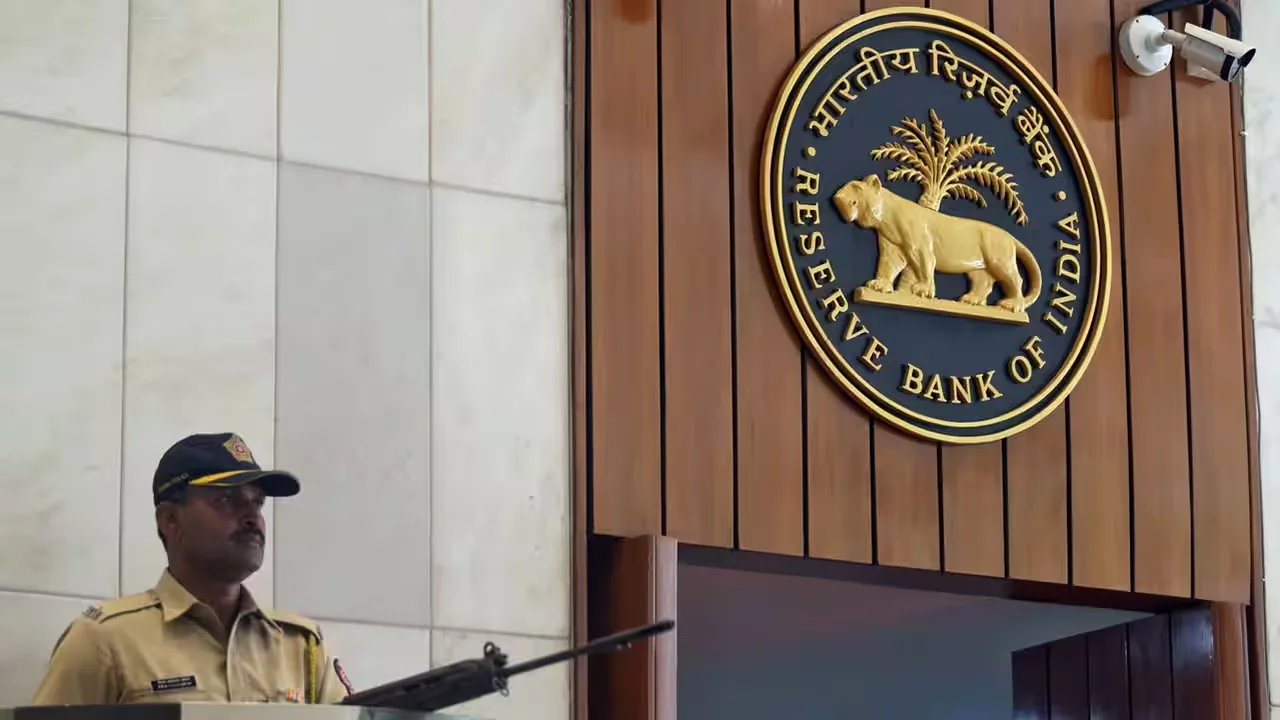
RBI's new draft allows customers to block outgoing payments via a 'Stop Switch'.
Customers can nominate a 'Trusted Person' for approving high-value transactions.
The measures aim to strengthen fraud prevention and enhance customer control over digital payments.
In a significant move to bolster digital payment security, the Reserve Bank of India (RBI) has unveiled a proposal that includes a 'Stop Switch' feature, allowing customers to block all outgoing payments. This initiative is part of the draft RBI (Commercial Banks – Responsible Business Conduct) Fifth Amendment Directions, 2026, aimed at protecting users from electronic banking fraud.
The proposed regulations will enable bank customers to manage their digital payment channels more effectively. They will have the option to switch off specific payment channels linked to their accounts and set transaction limits on a per-transaction, beneficiary, and daily basis. This includes the ability to control transactions made through debit, credit, and prepaid cards, as well as online and contactless payments.
The 'Stop Switch' feature will provide customers with the ability to immediately disable all future debits initiated by them. However, it will not affect ongoing payments such as loan installments or bank-initiated debits. Additionally, a new 'Trusted Person Mechanism' will allow customers to nominate an individual who can approve or reject transactions that exceed a predetermined threshold. This trusted person will have one hour to respond to transaction requests, ensuring an extra layer of security.
The RBI's draft also seeks to redefine what constitutes bank negligence in cases of fraudulent transactions. It will now include failures in implementing authentication protocols, sending mandatory alerts, and addressing customer complaints promptly. This broader definition aims to hold banks accountable for lapses that may contribute to fraud.
These proposed measures are set to take effect on July 1, 2027, or earlier at the discretion of individual banks. The provisions related to bank negligence will come into force on January 1, 2027, marking a significant shift in the regulatory landscape for digital banking in India.