RBI Increases Repo Rate to 5.5% in Response to Inflation
The Reserve Bank of India raises the repo rate by 25 basis points, marking its first hike since February 2023 amid rising inflation concerns.
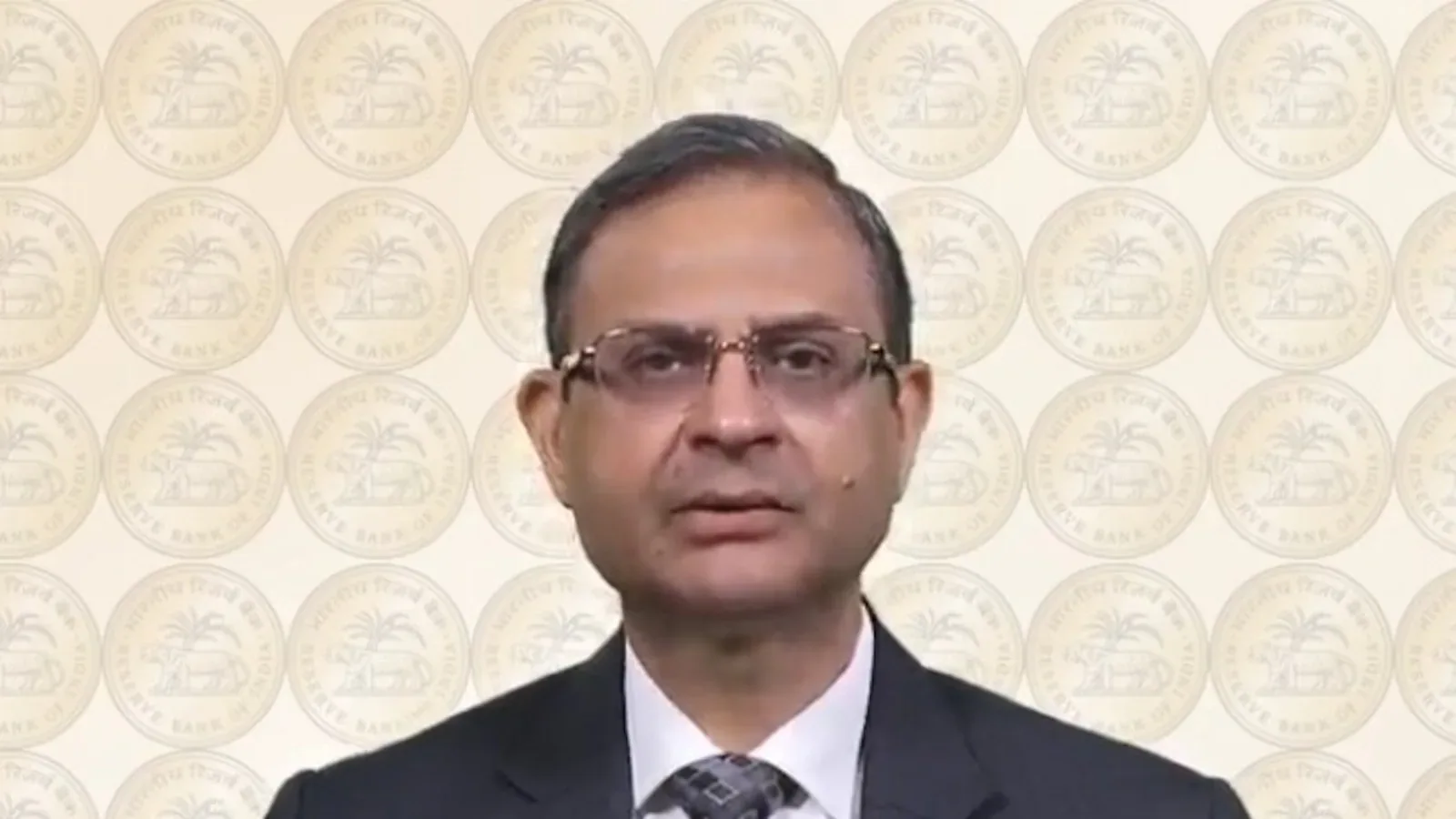
Repo rate increased from 5.25% to 5.5% unanimously by the MPC.
The RBI has shifted its stance to 'calibrated tightening' amid inflationary pressures.
GDP growth forecast raised to 7.1% despite ongoing economic challenges.
In a significant move, the Reserve Bank of India (RBI) has raised the repo rate by 25 basis points, bringing it to 5.5%. This decision was made during the Monetary Policy Committee (MPC) meeting held on Wednesday, marking the first increase since February 2023. The unanimous decision reflects the central bank's response to rising inflation, escalating oil prices, and a depreciating rupee.
The MPC, led by Governor Sanjay Malhotra, expressed concerns over global inflation trends and ongoing trade uncertainties. In his address, Malhotra highlighted the potential disruptions caused by geopolitical tensions, specifically referencing the Iran conflict. Despite these challenges, he reassured that the Indian economy remains robust and resilient, stating that rate cuts are not anticipated in the near future.
The RBI's change in policy stance from 'neutral' to 'calibrated tightening' is notable, indicating a proactive approach to monetary policy. This shift suggests that while the RBI is prepared to act against inflation, it is also committed to monitoring economic growth closely. The central bank has also revised its core inflation forecast for the current financial year to 4.4%, up from 4.3%.
In conjunction with the rate hike, the RBI has increased its GDP growth projection for the year to 7.1%, up from a previous estimate of 6.7%. The central bank noted that economic activities have shown resilience in the second quarter, with manufacturing and services sectors maintaining stability. However, it also pointed out vulnerabilities in non-durable goods and domestic air travel, alongside potential impacts from supply chain disruptions and adverse weather conditions.
Looking ahead, experts emphasize the importance of a balanced monetary policy approach. Suraj Mehta, Chief Strategy Officer at HNGIL, remarked that while the rate increase is justified given the inflationary context, it could marginally elevate capital costs for manufacturers already facing high energy and input prices. The focus on easing supply-side constraints will be crucial for sustaining industrial investment and growth momentum in India.
