RBI Expected to Raise Repo Rate by 0.25% in October Review
Economists predict a potential increase in the repo rate amid rising inflation and global economic pressures.
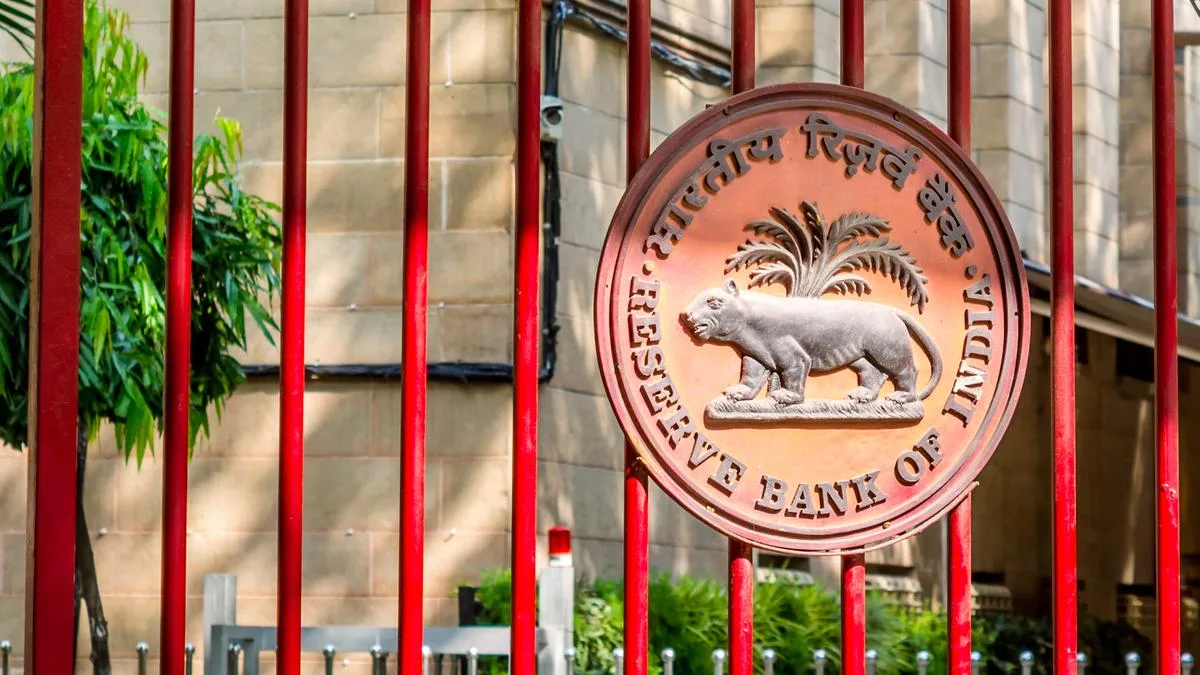
RBI may hike the repo rate by 0.25% in October 2026, marking a shift from previous cuts.
Inflation has risen to 4.82% in August, prompting concerns about price pressures.
Experts foresee at least two rate hikes in FY27 due to ongoing inflationary trends.
The Reserve Bank of India (RBI) is anticipated to raise the repo rate by 0.25% during its monetary policy review scheduled for October 7, 2026. This potential increase comes in response to escalating inflationary pressures, which have been exacerbated by the ongoing crisis in West Asia and rate hikes implemented by central banks worldwide. Economists and bankers participating in a recent poll indicated that such a move would represent a significant shift in the RBI's monetary policy, which had previously seen rate cuts in 2025 and a prolonged period of stability thereafter.
Historically, the last adjustment to the repo rate occurred in February 2023, when the RBI raised it to 6.50%. Following that, the rate remained unchanged throughout the fiscal year 2023-24 before the onset of rate cuts in 2025. Currently, the repo rate stands at 5.25%. Kanika Pasricha, Chief Economic Advisor at Union Bank of India, emphasized that the combination of global rate hikes, rising inflation risks, and robust economic growth provides the RBI with the necessary leeway to increase rates.
Further insights from Dipti Deshpande, principal economist at Crisil, highlight that inflationary pressures have intensified since the last policy review, primarily due to the West Asia conflict and rising energy and commodity prices. A majority of poll participants predict a hawkish tone in the upcoming policy review, although opinions vary regarding whether the RBI will shift its stance. Sachchidanand Shukla, Chief Economist at Larsen & Toubro, suggests that the RBI might maintain the current rate, citing a lack of evidence for demand-driven inflation.
Experts generally anticipate at least two rate hikes in FY27, with some forecasting two to three increases throughout the fiscal year. The need for the RBI to gradually normalize its monetary policy stance is underscored by rising headline inflation, which could necessitate a rate hike to prevent real interest rates from turning negative. Gaura Sengupta from IDFC First Bank reiterated that a gradual normalization is essential as inflation continues to rise.
Looking ahead, experts expect the RBI to revise its CPI inflation forecast upward due to elevated crude oil prices and broadening price pressures. India's retail inflation reached an eight-month high of 4.82% in August, surpassing the RBI's target for three consecutive months. With expectations of stronger-than-anticipated economic activity, analysts also foresee an upward revision in the RBI's GDP growth forecast for FY27, with some projecting growth above 7%. The RBI is expected to continue utilizing various liquidity management tools to absorb excess liquidity from the banking system.