RBI Deputy Governor Calls for Enhanced MSME Lending Strategies
On November 27, RBI's Swaminathan J emphasizes the need for banks to accelerate MSME credit approvals and adopt cash-flow-based lending.
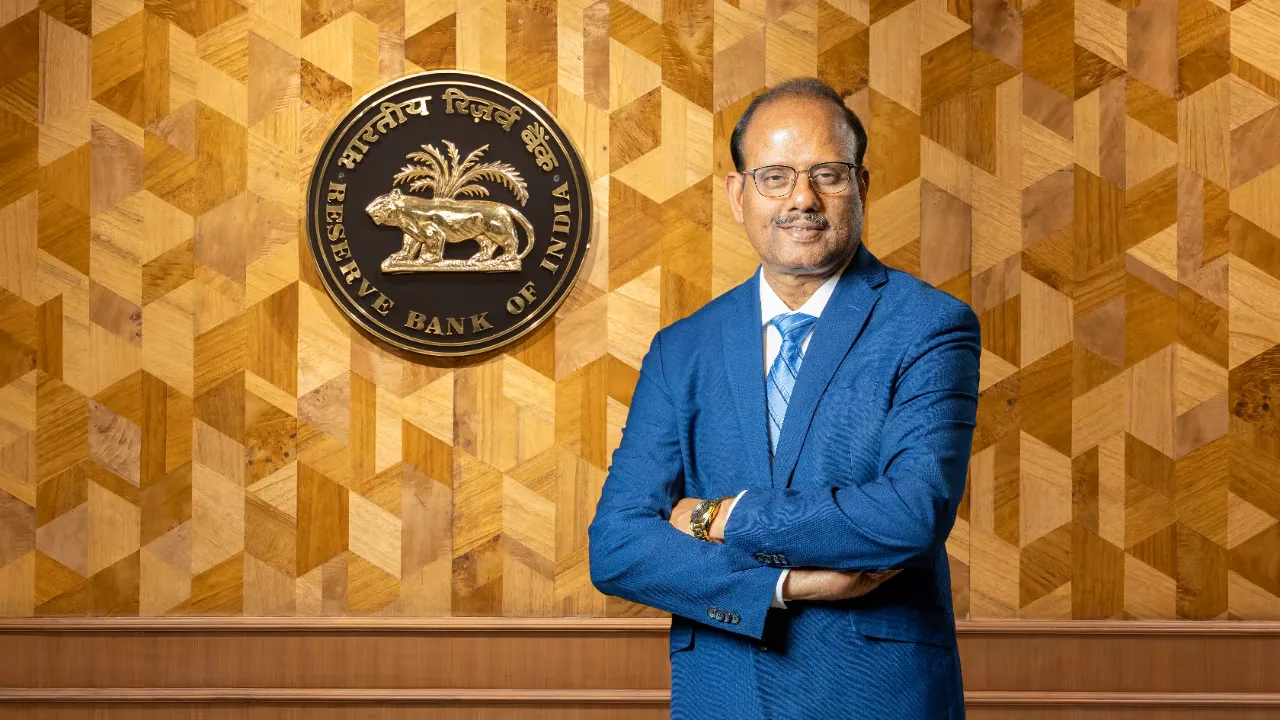
RBI urges banks to expedite credit for MSMEs and reduce collateral reliance.
The Trade Receivables Discounting System (TReDS) is highlighted for financing MSME receivables.
The meeting involved key stakeholders from various ministries and financial institutions.
On November 27, Swaminathan J, the Deputy Governor of the Reserve Bank of India (RBI), called on banks to accelerate the approval process for loans to micro, small, and medium enterprises (MSMEs). During the 31st meeting of the Standing Advisory Committee (SAC) in Kolkata, he emphasized the importance of reducing reliance on collateral by promoting cash-flow-based lending through the Unified Lending Interface (ULI) and other digital platforms.
The meeting focused on several critical areas, including the financing of MSME receivables through the Trade Receivables Discounting System (TReDS). Swaminathan urged for early identification and resolution of financial stress among borrowers, which is crucial for maintaining the health of the MSME sector. He also encouraged industry associations to engage actively in RBI's town hall meetings and district-level MSME SAMVAAD sessions to voice their concerns and improve awareness.
Key discussions during the meeting included the review of working capital and investment credit for MSMEs, lending strategies for first-time borrowers, and the extent of credit guarantee coverage. The committee also examined proposals to increase the limit for collateral-free lending to micro and small enterprises, as well as the settlement of invoices by central public sector enterprises (CPSEs) through TReDS. Additionally, the implications of the MSMED (Amendment) Act, 2026 were considered.
The meeting was attended by representatives from various government ministries, including the Ministry of MSME and the Ministry of Finance, alongside officials from banks, SIDBI, NABARD, CGTMSE, NCGTC, KVIC, and MSME industry associations. This diverse representation underscores the collaborative effort needed to enhance the flow of credit to the MSME sector.
Looking ahead, the RBI is expected to continue its focus on improving lending frameworks and addressing the unique challenges faced by MSMEs. Future meetings and initiatives will likely aim to further streamline credit processes and enhance financial support mechanisms for this vital sector of the economy.