October Sees 30 Tanker Attacks Amid Iranian Aggression
Despite a surge in Iranian attacks on tankers, crude oil exports through the Strait of Hormuz remain resilient.
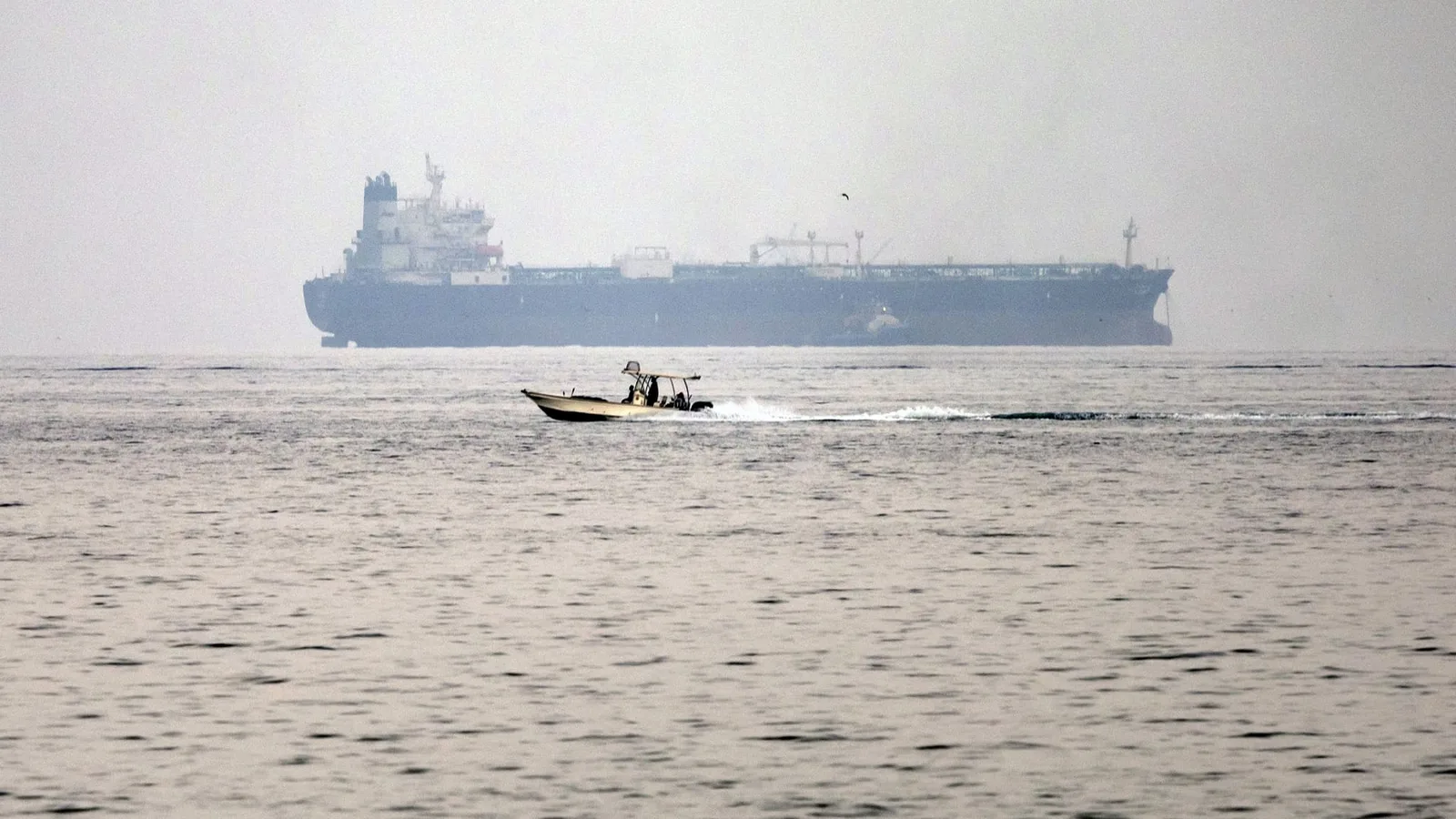
Iran's attacks on commercial vessels have intensified, with 30 incidents reported in October.
Crude oil exports through Hormuz averaged nearly 11.1 million barrels per day in October, only slightly down from September.
The shipping industry has adapted by implementing a shuttle system to mitigate risks and manage costs.
In October, the Strait of Hormuz has witnessed a dramatic increase in attacks on commercial vessels, with at least 30 incidents reported, resulting in injuries to 16 seafarers. This escalation follows the onset of conflict involving the U.S. and Israel against Iran, which prompted Tehran to launch a series of assaults aimed at disrupting one of the world's critical oil transit routes. Despite these challenges, oil tankers have continued to transport significant volumes of crude, indicating that the shipping sector is adjusting to the ongoing conflict.
Historically, Iran's initial wave of attacks in March led to a staggering 90% drop in its crude exports, plummeting to 1.8 million barrels per day from 16 million bpd in February. However, over the past eight months, U.S. military protection for vessels in the region has allowed crude flows to rebound, with exports averaging nearly 11.1 million bpd in October. This resilience contrasts sharply with the early months of the conflict, showcasing the shipping industry's adaptability.
Oil prices have surged over 13% this month, with Brent crude trading above $117 per barrel, nearing wartime highs. Despite the violence, the overall impact on crude exports has been minimal, with analysts noting that the shipping industry has effectively managed the risks associated with operating in a conflict zone. Jakob Larsen from BIMCO highlighted the daily threats faced by ships but emphasized that the industry's adjustments have allowed for continued operations.
The shipping sector has implemented a shuttle system to reduce the risk of attacks, where tankers load crude at Persian Gulf ports and transfer cargo to waiting vessels in the Gulf of Oman. This method has increased oil flows through Hormuz by over 70% since July, although it has also introduced logistical complexities and higher costs. Tanker rates have skyrocketed, with daily hiring costs for supertankers reaching over $900,000, significantly impacting the overall cost of crude oil transportation.
Looking ahead, the sustainability of this shuttle system remains uncertain, particularly as U.S. military support is crucial for the safety of tankers. With midterm elections approaching, there are concerns about potential shifts in U.S. military engagement in the region. The U.S. has warned Gulf nations to prepare for possible military actions following the elections, adding to the uncertainty for shipping operations in the Strait of Hormuz.