Nvidia CEO Jensen Huang Targeted in Chinese Espionage Plot
US intelligence reveals Nvidia's CEO was a target of a Chinese spy scheme involving advanced AI chip dealings.
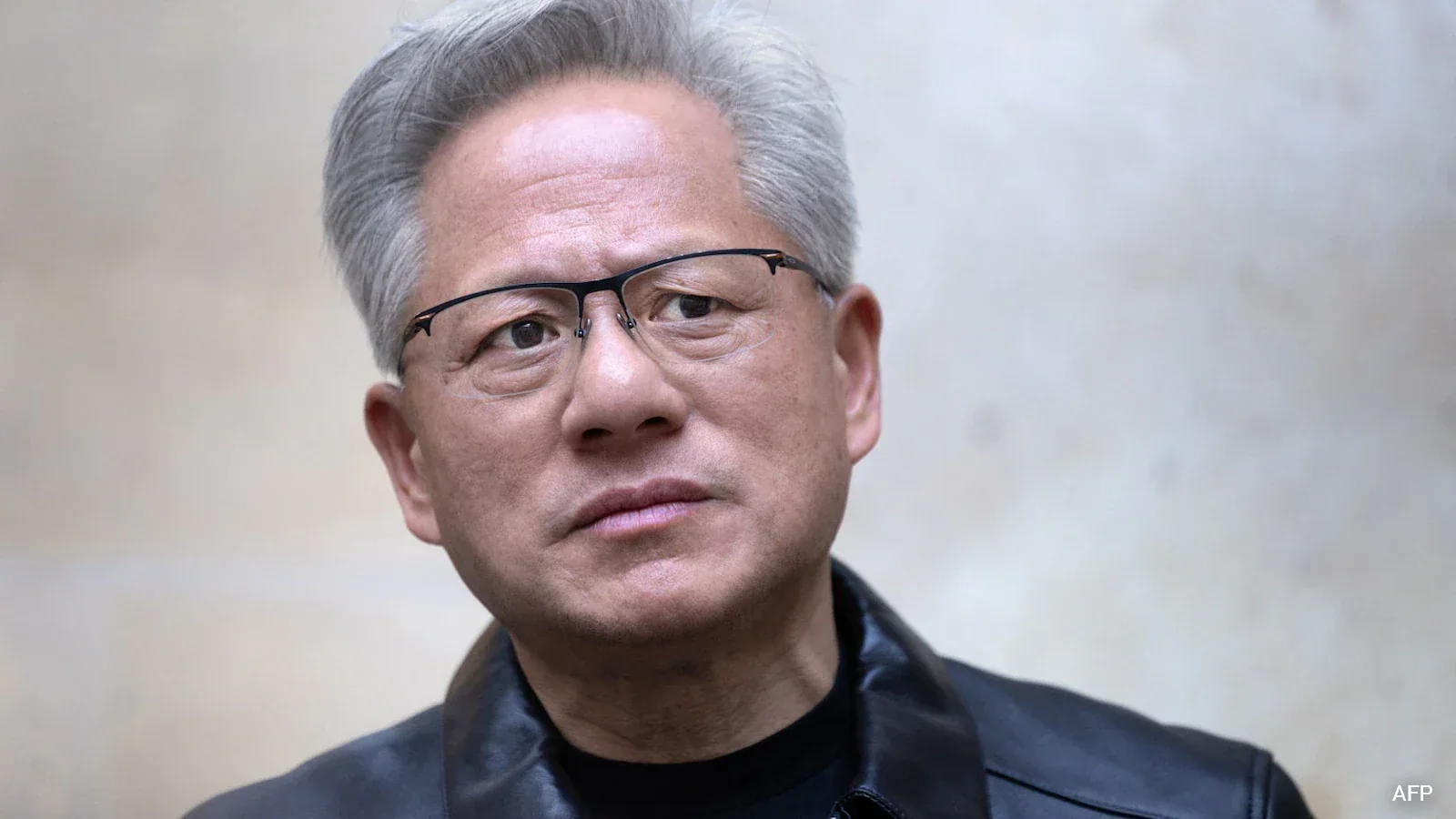
Jensen Huang was reportedly targeted by a Chinese intelligence asset linked to Megaspeed.
US officials express skepticism about Huang's ignorance of the espionage activities.
Nvidia denies any sensitive information was shared and claims no evidence of chip smuggling.
Jensen Huang, the CEO of Nvidia, has emerged as a target in a Chinese espionage operation, according to a report by The New York Times. The investigation revealed that Alice Huang, a Chinese national and executive at Singapore-based Megaspeed, allegedly cultivated a close relationship with Huang to facilitate the transfer of advanced Nvidia AI chips and intelligence to China. This revelation has raised significant concerns among US intelligence agencies regarding the potential implications for national security.
The backdrop to this situation involves the Biden administration's scrutiny of Megaspeed, which was investigated for allegedly assisting China in circumventing US restrictions on acquiring Nvidia's advanced technology. The Commerce Department's inquiry into the company began due to fears that it was enabling China to access critical AI hardware, prompting further examination of its operations and connections.
According to the report, former President Donald Trump was informed about the intelligence findings approximately a year ago but opted not to take action, fearing it might disrupt Nvidia's flourishing business and negatively impact US-China trade relations. Officials noted that Huang's close ties with Trump could have influenced the decision, as the Nvidia CEO had previously lobbied for the continuation of commercial operations with China, even attending a high-profile donor dinner at Mar-a-Lago.
Nvidia has firmly denied any wrongdoing, asserting that Huang's interactions with Alice Huang were typical for a CEO and involved no sensitive information. The company emphasized that it had previously investigated Megaspeed and found no evidence of chip smuggling, stating that the Chinese government has already restricted the entry of US AI chips into its market to protect its domestic industry. Meanwhile, the Chinese Embassy in Washington dismissed the espionage allegations as politically motivated attacks by the US.
As the US government deliberates on reinstating stricter controls on semiconductor exports to China, the situation remains fluid. The Biden administration is considering measures to address regulatory loopholes that have allowed foreign entities to acquire US technology through Southeast Asian operations. The outcome of these discussions could significantly impact companies like Megaspeed, which rely on Nvidia chips to serve the Chinese market, highlighting the ongoing tensions between the US and China in the tech sector.