Nirmala Sitharaman Calls for Private Resolution in Tata Dispute
Finance Minister emphasizes the need for Tata Group to settle internal conflicts discreetly to protect the brand's integrity.
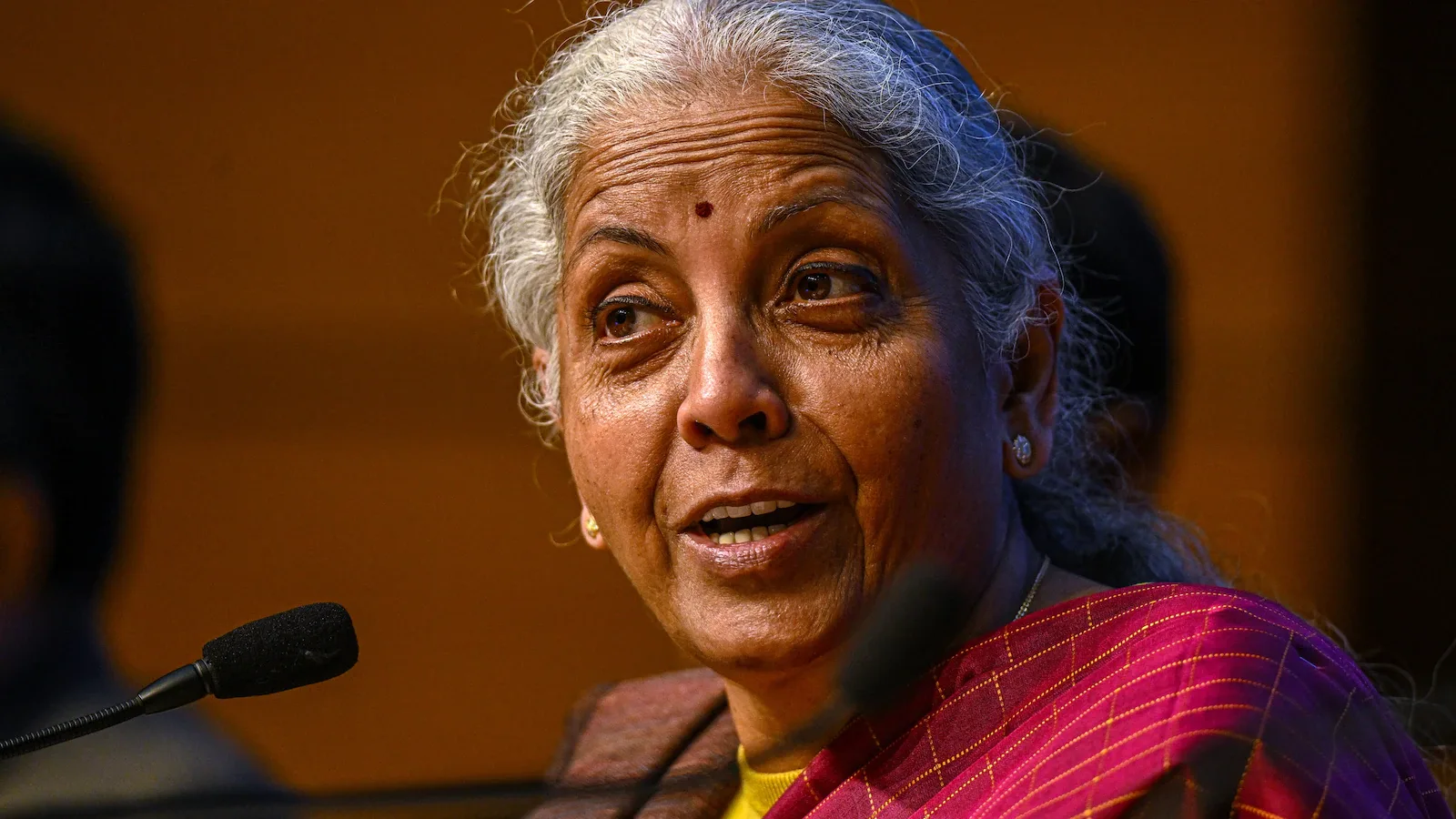
Nirmala Sitharaman urges Tata Group to resolve disputes privately.
The ongoing conflict involves Tata Sons and Tata Trusts over leadership and listing issues.
Tata Trusts holds 66% of Tata Sons, significantly influencing the conglomerate's decisions.
In a recent statement, Finance Minister Nirmala Sitharaman addressed the ongoing internal conflict within the Tata Group, urging both parties to resolve their differences away from public scrutiny. Speaking in Mumbai, she highlighted the sensitivity of the matter, which involves Tata Sons and its major shareholder, Tata Trusts, emphasizing that the resolution should be handled with care due to its implications for the Indian economy.
The Tata Group, a 158-year-old conglomerate, is currently facing significant disagreements between its leadership. The tensions have escalated in recent months, culminating in a public confrontation during a board meeting on September 17. The core issues at stake include the proposed public listing of Tata Sons and the future of N Chandrasekaran as chairman, which have become contentious points of discussion.
Sitharaman refrained from suggesting government intervention but stressed the importance of business acumen and cordiality in resolving the dispute. She acknowledged the Tata brand's value and the contributions of the Parsi community in establishing it as a global entity. Her remarks reflect a desire for the involved parties to engage in dialogue to restore normalcy without further public fallout.
The influence of Tata Trusts, which owns approximately 66% of Tata Sons, plays a crucial role in the ongoing situation. The recent decision by Tata Sons to proceed with a public listing came after the Reserve Bank of India rejected a request to deregister as a core investment company. This decision was met with dissent from Noel Tata, the only director opposing the majority's vote, while Venu Srinivasan, representing Tata Trusts, chose to support the board's decision.
Looking ahead, the resolution of this internal conflict is vital not only for the Tata Group but also for the broader Indian economy, given the conglomerate's extensive investments across various sectors. Stakeholders are keenly observing how the leadership will navigate these challenges to ensure a harmonious and productive future for the Tata brand.
