New Restrictions on Green Cards Challenge Indian Tech Workers
Recent U.S. immigration policy changes threaten the aspirations of Indian tech professionals seeking permanent residency.
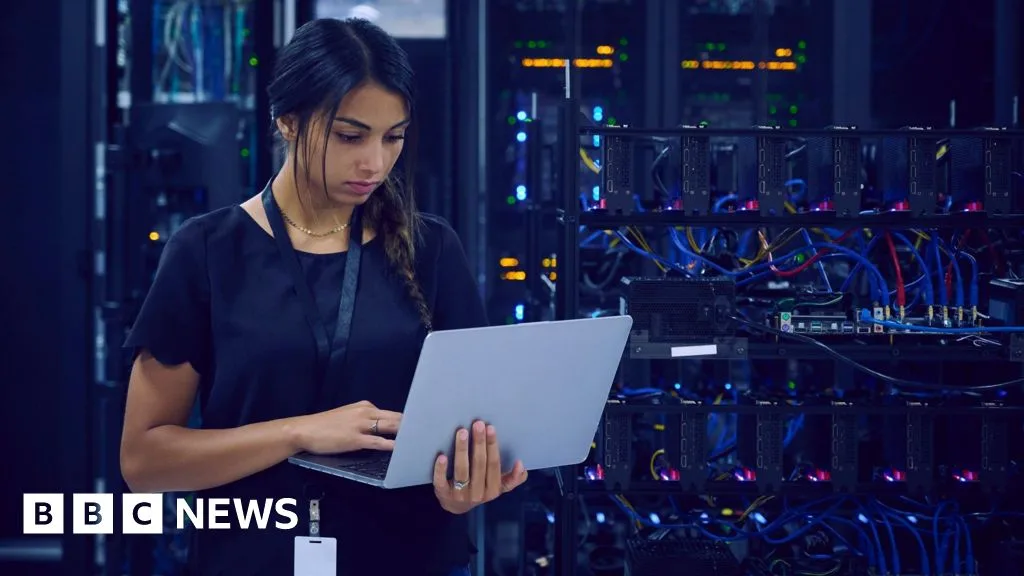
The U.S. has suspended eight tech firms from hiring skilled international workers through the PERM program.
Indian nationals make up a significant portion of pending employment-based green card applications.
Experts predict a shift in how U.S. companies engage with Indian tech talent amid tightening immigration rules.
The recent suspension of eight technology firms from hiring skilled international workers through the Permanent Labor Certification Program (PERM) has raised concerns among Indian tech professionals in the U.S. This decision, announced earlier this month, affects major companies such as Microsoft, Infosys, Tata Consultancy Services, Wipro, and HCL Technologies, which have historically relied on this pathway to secure green cards for their employees.
For many Indians, the journey to achieving their American dream typically involves obtaining an engineering degree, securing a tech job, and navigating the complexities of visa renewals before finally attaining permanent residency. However, the latest restrictions threaten to disrupt this well-trodden path. The U.S. government's move aligns with former President Trump's agenda for stricter immigration controls, which experts believe may have minimal immediate impact on businesses as firms adapt to the new landscape.
Nasscom, the trade association representing India's technology sector, has noted a shift in hiring practices among Indian companies, with a growing emphasis on local recruitment. Wipro reported that over 80% of its U.S. workforce is locally hired, while Tata Consultancy Services indicated a dramatic decline in PERM applications, dropping from 1,804 in 2024-25 to just two in 2025-26. This trend suggests that the reliance on H-1B visas and subsequent transitions to permanent residency is diminishing.
The implications of these restrictions extend beyond corporate concerns. A senior executive from one of the affected firms expressed that while the business may not be severely impacted, the emotional toll on employees is significant. Many individuals who have invested years in the U.S. are now facing uncertainty regarding their green card applications, which can affect their families and future plans. Additionally, rising anti-Asian sentiment and hostility towards H-1B visa holders have compounded the challenges faced by Indian immigrants in the U.S.
Looking ahead, immigration experts warn that the tightening of residency pathways may lead some professionals to reconsider their future in the U.S. While options such as the EB-5 investor visa exist, they may not be feasible for everyone. As the landscape continues to evolve, Indian tech workers may need to adapt their aspirations and explore alternative routes to achieve their career goals in the U.S., potentially reshaping the narrative of their American dream.