Kunal Bahl's Journey from H-1B Rejection to E-Commerce Success
Kunal Bahl reflects on how a rejected H-1B visa in 2007 propelled him into entrepreneurship, leading to the creation of Snapdeal.
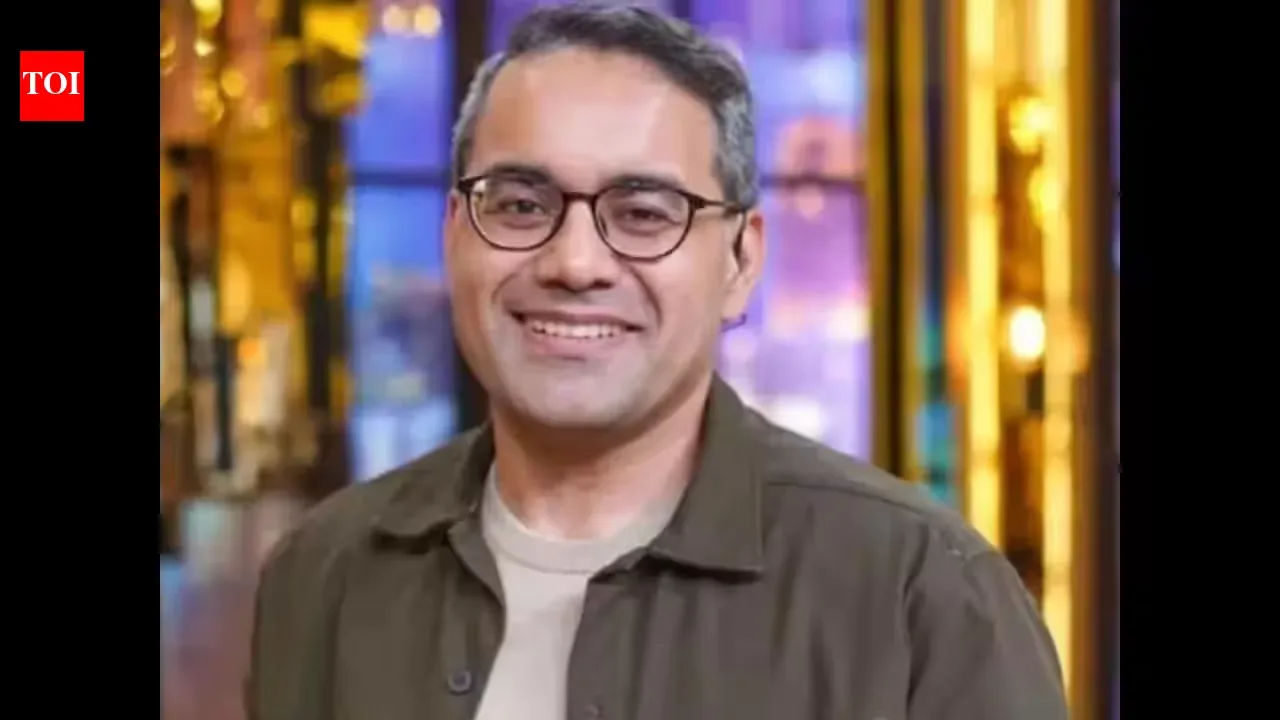
Kunal Bahl's H-1B visa rejection in 2007 led him to return to India and start Snapdeal.
Bahl co-founded Titan Capital, investing in over 320 startups since 2011.
He now serves as a judge on Shark Tank India, supporting new entrepreneurs.
In 2007, Kunal Bahl faced a pivotal moment in his career when his H-1B visa application was denied while he was working at Microsoft in the United States. This unexpected setback prompted Microsoft to suggest he relocate to their India office, but Bahl chose to return to India to pursue his entrepreneurial ambitions instead. This decision marked the beginning of a transformative journey that would lead him to co-found Snapdeal, one of India's leading e-commerce platforms.
Bahl's academic background includes a degree from the University of Pennsylvania, where he studied engineering and business. After joining Microsoft in October 2006, he was optimistic about his future in the U.S. However, the rejection of his visa application in mid-2007 forced him to reconsider his options. Although Microsoft offered him a chance to reapply for the visa after a year, Bahl felt liberated by the prospect of no longer being tied to corporate life and decided to embark on his own venture.
Upon returning to India, Bahl partnered with his high-school friend Rohit Bansal to launch a business. They pooled together around $60,000 from their savings and incorporated their company on September 12, 2007. Initially starting with a physical coupon-book business, they quickly transitioned to online couponing, which laid the groundwork for Snapdeal. Despite facing challenges such as limited internet access and a nascent digital payment ecosystem, their determination led to significant growth in the competitive e-commerce landscape.
Bahl and Bansal expanded their entrepreneurial efforts by founding Titan Capital in 2011, which has since invested in over 320 startups, including notable names like Ola and Urban Company. Their journey has also led to the establishment of two publicly listed companies. Today, Bahl is not only a successful entrepreneur but also a prominent figure on Shark Tank India, where he mentors aspiring business owners.
Reflecting on his journey, Bahl views his H-1B rejection as a serendipitous event that ultimately benefited him and the Indian startup ecosystem. He acknowledges that the decision to return to India is not easy for everyone facing similar immigration challenges, but he believes the current landscape in India—with its robust internet access, skilled workforce, and supportive government policies—offers unprecedented opportunities for entrepreneurs. "There is no better time to come back," he emphasized.