Kospi Index Plummets Nearly 8%, Trading Suspended
South Korea's Kospi index experiences a significant drop, prompting a temporary trading halt as tech stocks face heavy losses.

Kospi index falls 478.71 points, marking its longest losing streak since September 2024.
Samsung and SK Hynix shares drop by nearly 10% and 11% respectively.
The trading halt was triggered by a sell-off in technology stocks following negative market trends from Wall Street.
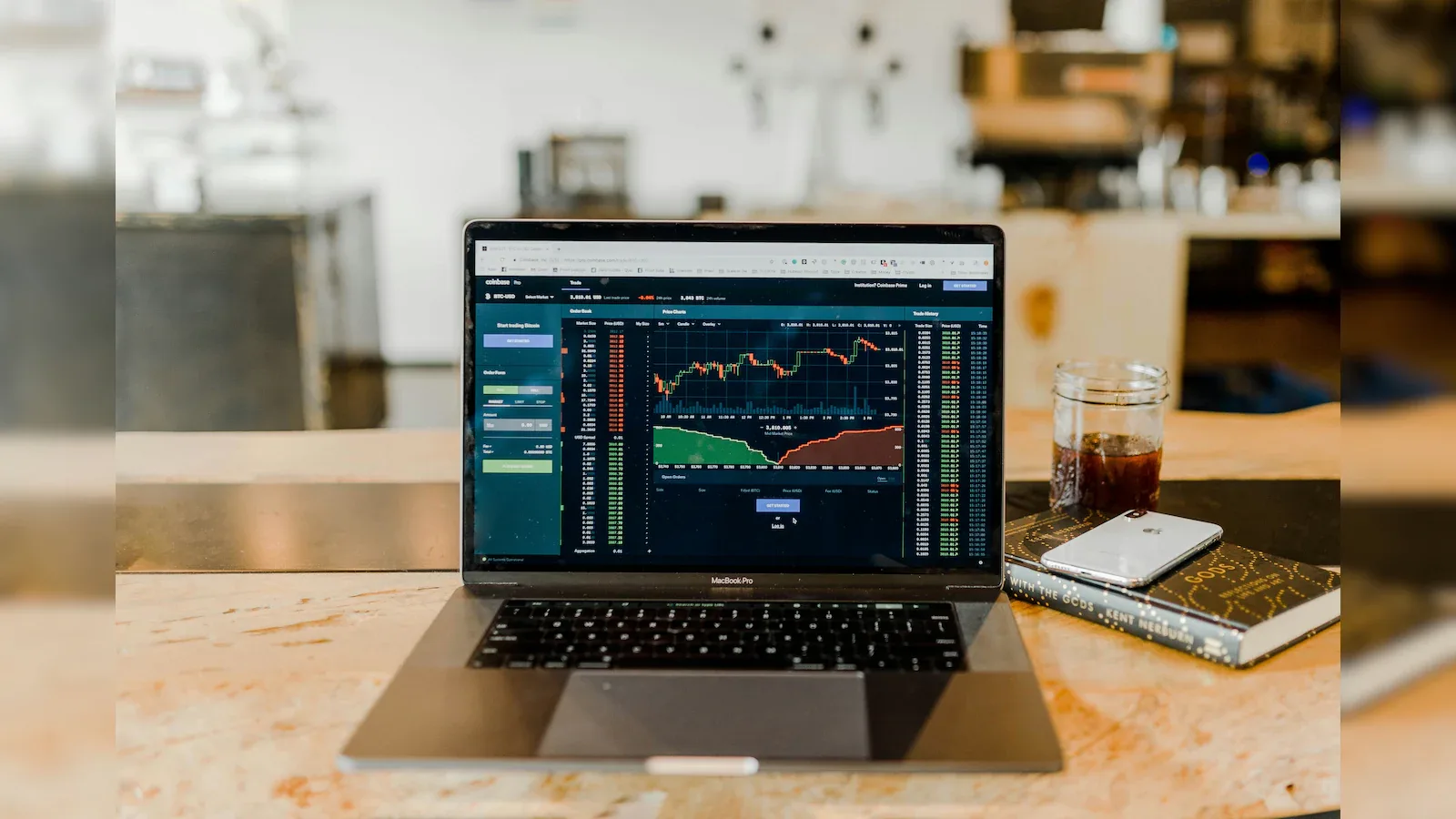
On Thursday, South Korea's stock market faced a temporary trading halt after the Kospi index experienced a dramatic decline of 7.97%, closing at 5,530.10. This significant drop, amounting to 478.71 points, extended the index's losing streak to seven consecutive sessions, the longest since September 2024.
The market's downturn was exacerbated by a sell-off in technology stocks, which led to the activation of the exchange's 'sidecar' mechanism. This mechanism is designed to suspend sell orders for five minutes to mitigate excessive volatility during sudden market fluctuations. The trigger for this sell-off was largely attributed to disappointing economic indicators from the U.S., where higher-than-expected inflation data raised concerns about potential interest rate hikes by the Federal Reserve.
Among the hardest hit were major technology firms. Samsung Electronics saw its shares plummet by 9.70%, while SK Hynix faced an even steeper decline of 11.35%. Other notable declines included LG Energy Solution, which fell by 5.45%, and Hyundai Motor, which dropped by 6.38%. These losses reflect a broader trend of instability in the tech sector, which has been under pressure from global economic uncertainties.
Despite the turmoil in the stock market, the South Korean won showed some resilience, trading at 1,339.5 per dollar, which was a slight improvement of 0.21% from the previous close of 1,342.3. This indicates that while the stock market is facing challenges, currency stability may provide a buffer against some economic pressures.
Looking ahead, investors will be closely monitoring upcoming economic reports and central bank announcements that could further influence market conditions. The focus will remain on inflation trends and interest rate policies, as these factors are likely to dictate the trajectory of the Kospi and the broader South Korean economy in the coming weeks.