Jensen Huang's Departure Raises Concerns for Nvidia and AI Sector
The resignation of Nvidia's CEO Jensen Huang due to personal scandals has sparked discussions about the future of the company and the broader AI industry.
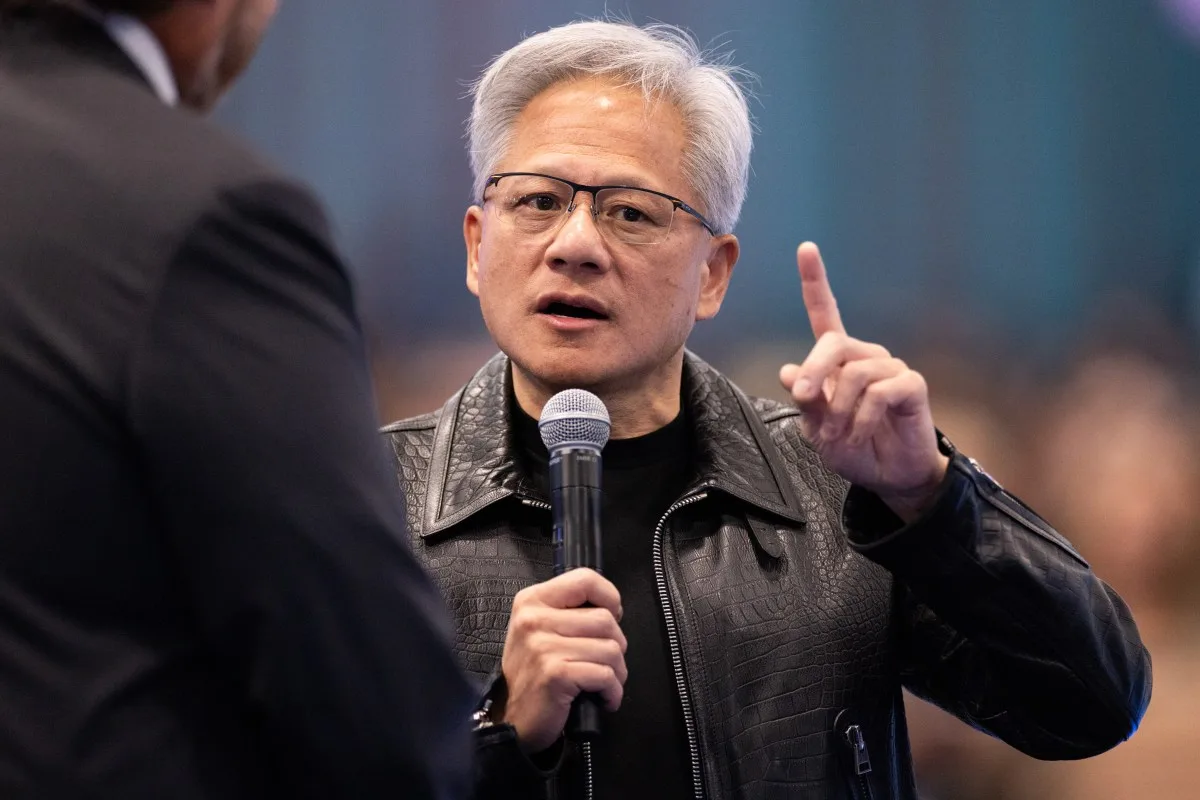
Jensen Huang resigned amid allegations of personal misconduct.
Nvidia's interim CEO, Collette Kress, faces challenges in maintaining investor confidence.
Nvidia's significant role in the AI market is at risk due to potential shifts in investment strategies.
Jensen Huang, the CEO of Nvidia, has resigned following allegations of personal misconduct, including extramarital affairs with individuals linked to Chinese intelligence. This unexpected departure has sent shockwaves through the tech community, raising questions about the future of Nvidia and its pivotal role in the AI industry. Huang's resignation was announced on Thursday, and Collette Kress, the company's CFO, has stepped in as interim CEO.
The circumstances surrounding Huang's resignation have been unfolding rapidly. Reports indicate that concerns about his relationships had been circulating within intelligence circles for nearly a year. The situation escalated dramatically over the past week, culminating in Huang's admission of an affair and the Nvidia board's decision to investigate. This rapid series of events has left many in the industry surprised, as Huang was seen as a central figure in Nvidia's success and the broader AI economy.
Nvidia holds a dominant position in the AI market, accounting for approximately 80% of the GPU market share. The company has made substantial investments in AI startups, totaling around $99 billion, with an additional $25 billion in commitments. This extensive financial involvement has positioned Nvidia as a key player in the AI circular economy, providing essential infrastructure for numerous AI projects. However, with Huang's departure, there are concerns about how these investments will be managed moving forward.
The implications of Huang's exit extend beyond Nvidia itself. The company's investments in AI startups and projects could face reevaluation, potentially leading to a slowdown in funding and innovation within the sector. As Nvidia navigates this leadership transition, the AI industry is left wondering how this change will affect ongoing projects and the competitive landscape.
Looking ahead, Nvidia's board will need to address the leadership vacuum left by Huang's resignation. While Kress's appointment as interim CEO may stabilize the company in the short term, the lack of a long-term succession plan raises concerns about future direction. Industry analysts will be closely monitoring Nvidia's next moves, especially regarding its investment strategies and partnerships in the AI ecosystem.