J&K Bank's MD Advocates UPI Surcharge for System Viability
Amitava Chatterjee emphasizes the necessity of UPI surcharges for sustainable transaction systems in India.
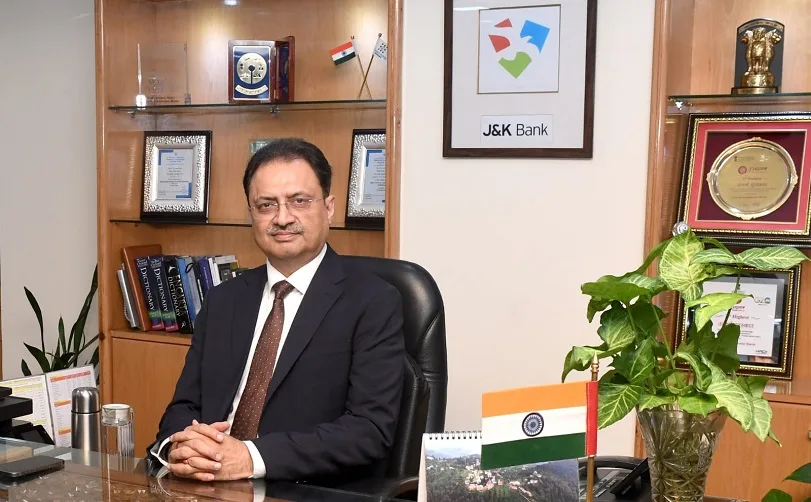
J&K Bank's MD supports UPI surcharge on transactions over Rs 2,000.
Chatterjee notes that UPI has become integral to daily life in India.
The bank aims for Rs 5 lakh crore business by 2030 despite industry-wide deposit challenges.
In a recent statement, Amitava Chatterjee, the Managing Director and CEO of Jammu and Kashmir Bank, defended the implementation of a surcharge on UPI transactions exceeding Rs 2,000. Speaking in Srinagar, he highlighted that this surcharge is essential for the sustainability of the UPI system, which has seen significant growth in recent years. Chatterjee clarified that the misconception surrounding the surcharge as a profit-making strategy is unfounded, asserting that maintaining such a vast transaction system incurs substantial costs.
Chatterjee elaborated on the importance of UPI in contemporary Indian life, noting that it has become a primary method for transactions, allowing individuals to shop and dine without the need for cash or cards. He acknowledged that while there might be a temporary decline in UPI transactions due to the new surcharge, he believes that UPI will remain the most economical option compared to traditional payment methods like cheques or credit cards.
The CEO pointed out that transactions below Rs 2,000 will continue to be exempt from any charges, which constitute the majority of UPI dealings. He expressed confidence that the surcharge would not have a lasting negative impact on the overall transaction volume, emphasizing that the majority of users would still benefit from free transactions.
On the financial performance front, Chatterjee reported a profit growth of 10.60% for J&K Bank in the second quarter, reinforcing the bank's ambition to reach a business target of Rs 5 lakh crore by 2030. He addressed concerns regarding stagnant deposit growth, attributing this trend to a broader industry phenomenon where household savings are increasingly directed towards mutual funds rather than traditional bank deposits.
Looking ahead, Chatterjee acknowledged the evolving landscape of banking in India, where reliance on deposits may diminish as the economy matures. He noted that borrowing has become integral to the lives of many middle-income households, with EMIs for various purchases becoming commonplace. Furthermore, he highlighted a positive corporate investment climate, which has contributed to an optimistic GDP growth forecast, positioning India as a leader among developing economies.