Iraq's Oil Revenue Takeover Raises Supply Concerns Amid Libya Tensions
Escalating conflicts in Iraq and Libya are threatening to disrupt oil supplies, pushing Brent crude prices below $90.
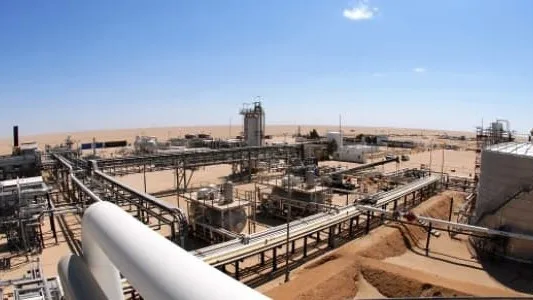
Iraq's Prime Minister ordered a takeover of Kurdish oilfields, escalating tensions.
Libya's El Sharara field resumed operations after militia disruptions.
Brent crude prices are experiencing significant volatility, struggling to maintain levels above $90.
Brent crude oil prices are currently facing significant pressure, trading below $90 per barrel as tensions rise in both Iraq and Libya, raising concerns over potential supply disruptions. The situation in Iraq has escalated with Prime Minister Ali al-Zaidi's directive to take control of Kurdish oilfields, which Kurdish leaders have rejected, reigniting a long-standing dispute over oil revenues. Meanwhile, Libya is grappling with its own challenges as civil unrest threatens its oil production capacity.
Historically, both Iraq and Libya have been pivotal players in the global oil market, contributing significantly to the supply chain. Iraq's recent move to assert control over Kurdish oil revenues is seen as a strategic attempt to consolidate power and manage resources more effectively. This decision comes amid ongoing tensions and the potential for renewed conflict, which could further destabilize the region's oil output. In Libya, the El Sharara oil field, a major production site, has faced interruptions due to militia activities, although operations have recently resumed.
Recent data indicates that the market sentiment for crude oil is at its lowest since late August, with Brent struggling to recover. The volatility in trading sessions has been marked by fears of supply interruptions from the Mediterranean region, particularly as Iraq's actions could lead to significant shifts in oil exports. Additionally, Libya's oil output is at risk due to internal conflicts, which could further exacerbate the situation.
The implications of these developments are profound, not just for the oil markets but also for global energy security. As tensions rise, countries reliant on oil imports may face increased prices and supply shortages. The situation is particularly critical for nations in Europe and Asia, which depend heavily on Middle Eastern oil. Analysts are closely monitoring these developments, as any significant disruptions could lead to a spike in global oil prices, affecting economies worldwide.
Looking ahead, stakeholders in the oil industry are bracing for potential fallout from these geopolitical tensions. The coming weeks will be crucial as Iraq's government navigates its oil revenue strategy and Libya seeks to stabilize its production. Market analysts are predicting that unless these issues are resolved, Brent crude prices may continue to fluctuate, with the possibility of breaching the $90 mark again if supply concerns escalate further.