Investors Claim Rs 100 Crore Loss in Stockal Fraud Case
Nearly 30 investors allege unauthorized liquidation of US stocks on Stockal, leading to significant financial losses.
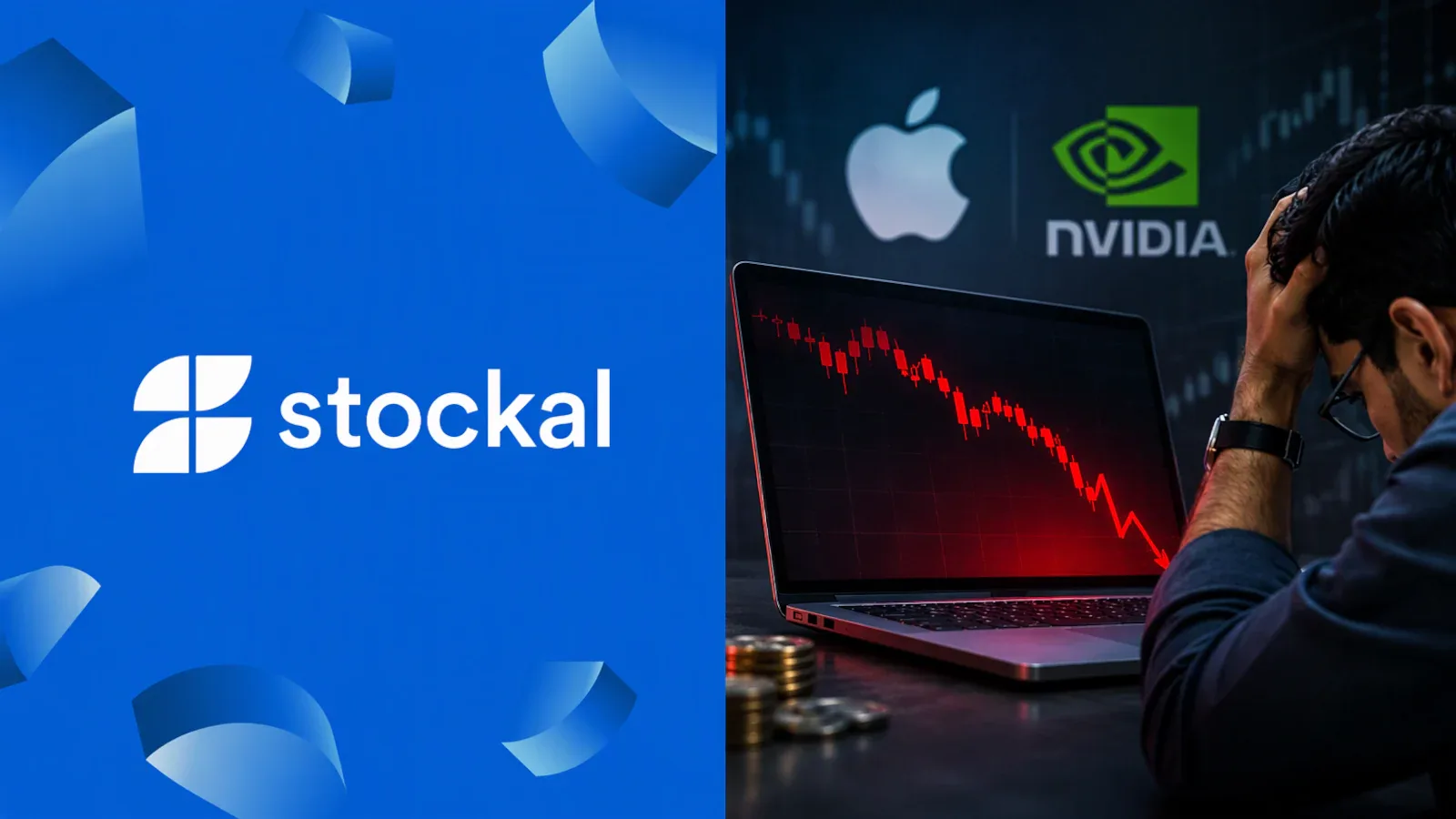
Investors report unauthorized sales of US stocks worth over Rs 100 crore.
Stockal Securities is at the center of the allegations regarding the mishandling of accounts.
Regulatory bodies in India and the US are being approached for intervention.
In a shocking turn of events, approximately 30 Indian investors have come forward with claims that their US stock portfolios were liquidated without their consent on Stockal, a fintech platform based in Bengaluru. The alleged unauthorized transactions occurred on October 15, 2026, resulting in the sale of high-profile stocks such as Apple, Nvidia, and Amazon, with the proceeds reportedly funneled into shares of a lesser-known Chinese firm, Zhibao Technology Inc. This incident has raised serious concerns about investor protections and the integrity of digital trading platforms.
The backdrop of this incident reveals a troubling pattern of investor vulnerability in the digital trading landscape. Stockal, which facilitates access to US stocks for Indian investors, is now facing scrutiny as affected individuals report significant losses. Investors assert that their holdings were liquidated without any prior notification or authorization, leading to a financial fallout that they estimate exceeds Rs 100 crore. The situation has prompted complaints to regulatory authorities in both India and the United States, seeking accountability and restitution.
Details surrounding the transactions indicate a systematic approach to the alleged fraud. Investors have described a sequence of events where their established portfolios were sold off, and the funds were redirected towards purchasing millions of shares of Zhibao Technology, a company that has seen a sharp decline in stock value since the transactions. One investor reported a loss of approximately Rs 4.26 crore after ten of his major holdings were sold, while another claimed a staggering Rs 29 crore loss due to the rapid liquidation of his portfolio.
The implications of this incident extend beyond individual losses, raising questions about the regulatory framework governing fintech platforms in India. As investors grapple with the aftermath of these transactions, there is a growing demand for clearer regulations and enhanced security measures to protect against unauthorized trading activities. The fallout from this case could have lasting effects on investor confidence in digital trading platforms and the broader market.
Looking ahead, affected investors are actively seeking intervention from regulatory bodies such as SEBI and the US Securities and Exchange Commission. As investigations unfold, the focus will be on determining the accountability of Stockal and its partners, including DriveWealth, in safeguarding investor assets. The outcome of these inquiries will likely shape the future of digital trading in India and could lead to significant changes in how fintech companies operate in the market.
