India's Economic Future at a Crossroads: CEA Warns of 2026 Challenges
Chief Economic Advisor V Anantha Nageswaran highlights potential economic turning points for India, drawing parallels to the 1991 liberalization era.
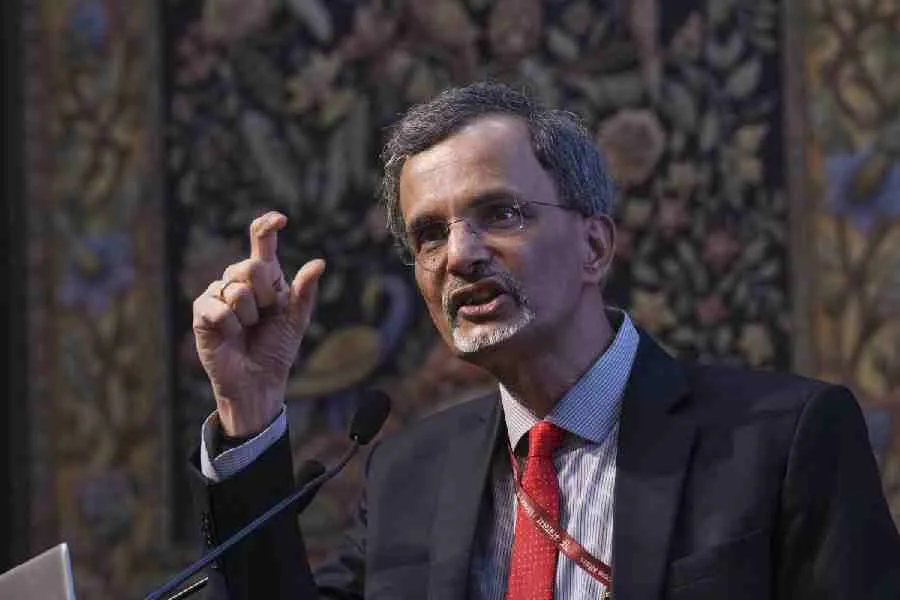
India faces significant global and structural challenges by 2026.
The Chief Economic Advisor emphasizes the need for a strategic re-examination of growth.
Nageswaran warns that supply shortages will complicate monetary policy execution.
India's Chief Economic Advisor, V Anantha Nageswaran, has indicated that the country may be approaching a critical economic juncture reminiscent of the 1991 liberalization period. Speaking at the ISID-IDRA national conference, he pointed out that mounting global challenges and internal structural constraints in sectors such as manufacturing, energy, and agriculture could significantly impact India's growth trajectory by 2026, or even as early as 2025.
Nageswaran elaborated that while the economic crisis of 1991 was characterized by a balance-of-payments emergency, the current situation presents a different set of challenges. He noted that the external pressures faced today are not merely transient shocks but require a thorough reassessment of India's economic strategies. He stressed that the challenges of 2026 are compounded by structural weaknesses within the economy, which must be addressed to ensure sustainable growth.
The CEA highlighted that recent global developments, such as China's new export licensing regime for essential infrastructure products, underscore the increasing complexities of international trade. He warned that countries weaponizing their supply chains could lead to diminishing effectiveness over time, creating further challenges for India as it seeks to bolster its manufacturing capabilities.
Nageswaran also reflected on the shifting landscape of economic policy, suggesting that the next few decades will differ markedly from the previous 40 years. He noted that past economic crises were often met with standard responses like lowering interest rates, but the current environment of supply shortages complicates this approach. As a result, monetary policy may become increasingly difficult to implement effectively, particularly in a world where real economic disruptions are prevalent.
Looking ahead, Nageswaran emphasized the importance of adapting fiscal policies to stimulate the economy amidst weak demand. He pointed out that the ongoing geopolitical tensions, including conflicts in the Middle East, have revealed India's vulnerabilities in energy and resource imports. Additionally, he raised concerns about the resource demands of emerging technologies like artificial intelligence, which could further strain India's economic resources in the coming years.