India Considers Temporary Ban on Non-Basmati Rice Exports
In response to rising domestic rice prices, India is contemplating a temporary ban on non-Basmati rice exports and may impose an export duty next month.
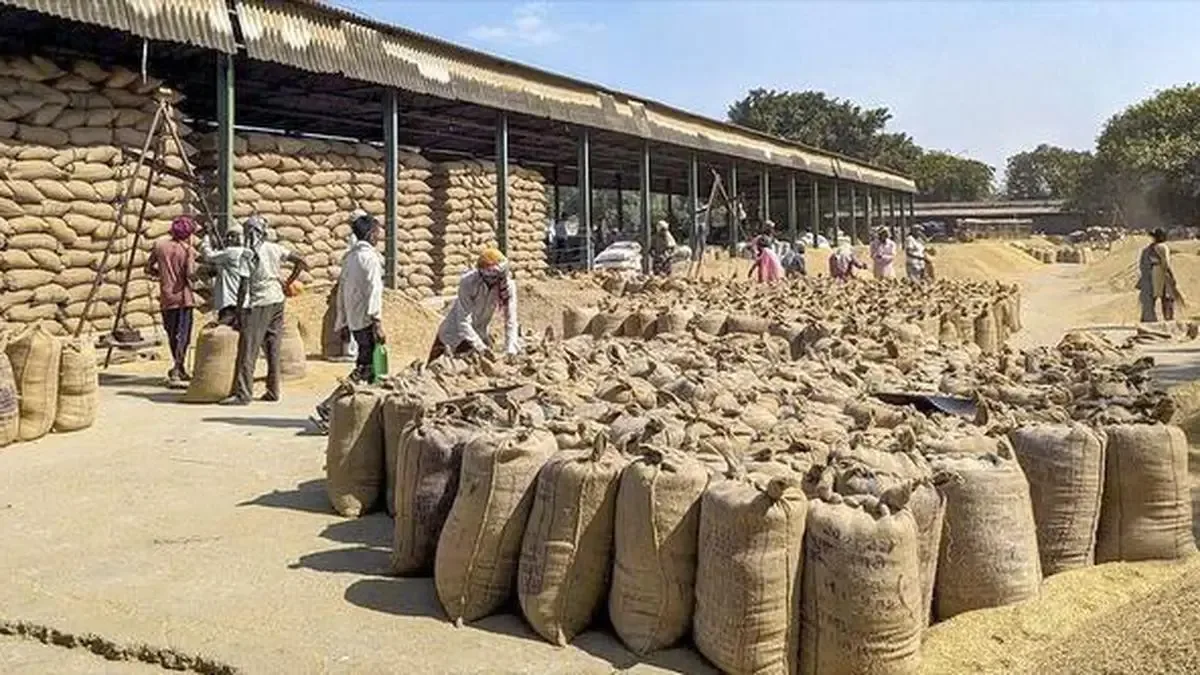
India's food inflation rose to 8.94% in October, with rice inflation at 12.51%.
Non-Basmati rice exports surged 7% to 8.84 million tonnes in the current fiscal year.
The government is exploring a 30% export duty to manage competitiveness in the global market.
In a bid to address escalating domestic rice prices, the Indian government is contemplating a temporary ban on non-Basmati rice exports. This decision is expected to be discussed by an inter-ministerial panel, with potential implementation of an export duty and a minimum export price (MEP) anticipated next month. Unlike the previous 14-month ban on exports, which was enforced in 2023, this new measure aims to be more flexible and responsive to market conditions.
The backdrop to this consideration is the significant rise in food inflation, which reached 8.94% in October, up from 7.74% in September. Specifically, rice inflation has been a concern, climbing to 12.51% in October alone. The situation is particularly acute in southern states, where rice inflation rates have soared—43.2% in Karnataka and 25.7% in Andhra Pradesh, among others. These figures underscore the urgency for the government to take action to stabilize prices.
As part of its strategy, the government is weighing a 30% export duty on non-Basmati white rice to reduce India's competitiveness in the international market. Even with a lower duty of 20%, Indian rice could still be exported, as prices from competitors like Thailand and Vietnam remain higher. This move comes amid a backdrop of increased export demand, with non-Basmati rice exports rising to 8.84 million tonnes during the April-October period of the current fiscal year, a 7% increase from the previous year.
The implications of these potential restrictions are significant for both consumers and the agricultural sector. The government has also doubled its target for rice sales through e-auction under the Open Market Sale Scheme to 50 lakh tonnes for the 2026-27 fiscal year. Additionally, state governments have been empowered to impose stock limits on rice and paddy to manage supply effectively. Despite these measures, the average retail price of rice has risen over 11% compared to last year, prompting speculation about further curbs.
Looking ahead, the government is yet to release its first production estimates for the Kharif season, but trade forecasts suggest a production of around 112-115 million tonnes. This follows a decline in Kharif acreage under paddy due to insufficient rainfall. As the situation evolves, stakeholders are closely monitoring developments, particularly regarding any new export regulations and their potential impact on both domestic prices and international trade.