IMF Boosts India's Growth Forecast to 7% Amid Currency Pressures
The IMF praises India's economic resilience, stating that currency fluctuations do not indicate a failure of fundamentals.

IMF raises India's GDP growth forecast to 7% for 2023-24.
Pressure on the rupee is linked to global factors, not domestic failures.
RBI's measures have stabilized the currency, with the rupee gaining against the dollar.
The International Monetary Fund (IMF) has upgraded India's GDP growth forecast to 7% for the current fiscal year, attributing this positive outlook to the country's robust economic fundamentals. Krishna Srinivasan, Director of the IMF's Asia and Pacific Department, emphasized that India's strong domestic growth remains resilient despite external pressures, particularly from the ongoing energy crisis.
Srinivasan highlighted that India entered the energy shock with solid economic foundations, which has allowed it to respond effectively. He noted that the recent fluctuations in the exchange rate should not be interpreted as a sign of economic failure, but rather as a reflection of global interest rates, investor sentiment, and oil prices. The IMF's recent report also indicated that while emerging economies face currency pressures, India has managed to stabilize its exchange rate through strategic interventions.
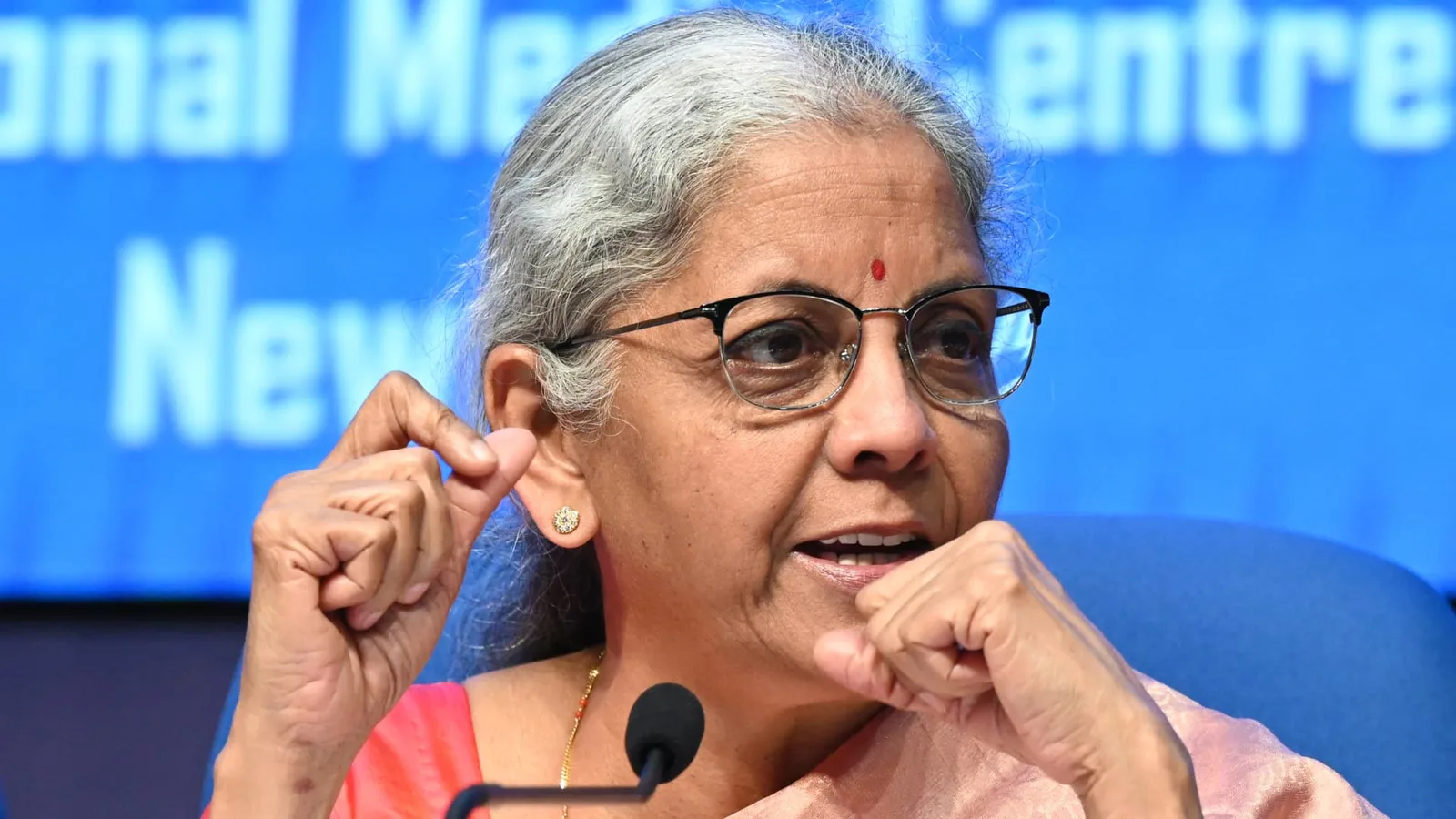
In response to the rupee's decline, the Reserve Bank of India (RBI) implemented a series of measures, including opening a special window for state-run oil companies to meet their dollar needs. This initiative, along with tightened forex derivative regulations, has contributed to the rupee's recovery, which closed at 95.17 against the dollar, marking a one-month high. Finance Minister Nirmala Sitharaman acknowledged the rupee's significant depreciation over the past year and reaffirmed the government's commitment to maintaining economic stability amid external challenges.
The IMF's revised growth forecast is based on stronger-than-expected performance in the April-June quarter, with real GDP growth recorded at 7.8%. This positions India as one of the fastest-growing major economies, driven by resilient domestic demand and a strong services sector. The IMF also noted that India's structural reforms and favorable demographics contribute positively to its economic outlook, allowing it to maintain a stable debt ratio without additional fiscal consolidation.
Looking ahead, the IMF anticipates that India's growth will remain robust, with projections of 7% for 2026 and 2027. However, potential risks, including geopolitical tensions and climate-related challenges, could impact future growth. Srinivasan urged targeted support for those affected by economic shocks, emphasizing the need to protect individuals rather than merely stabilizing prices. As India navigates these challenges, its economic resilience will be crucial for sustaining growth in the coming years.