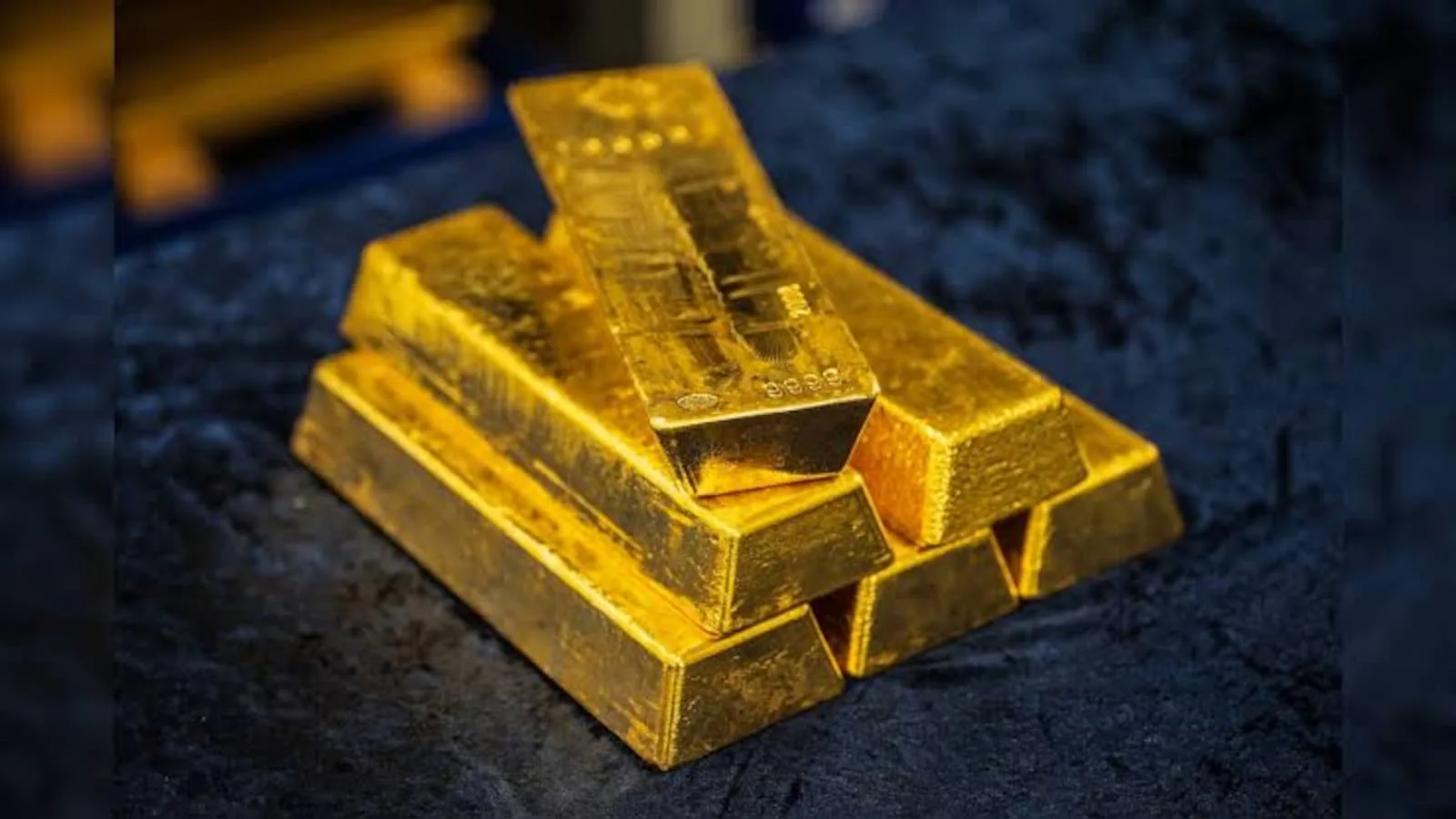
Gold Prices Projected to Drop to $3,900 by Year-End
Investment firm Sucden Financial forecasts a decline in gold and silver prices due to Federal Reserve's tightening measures.
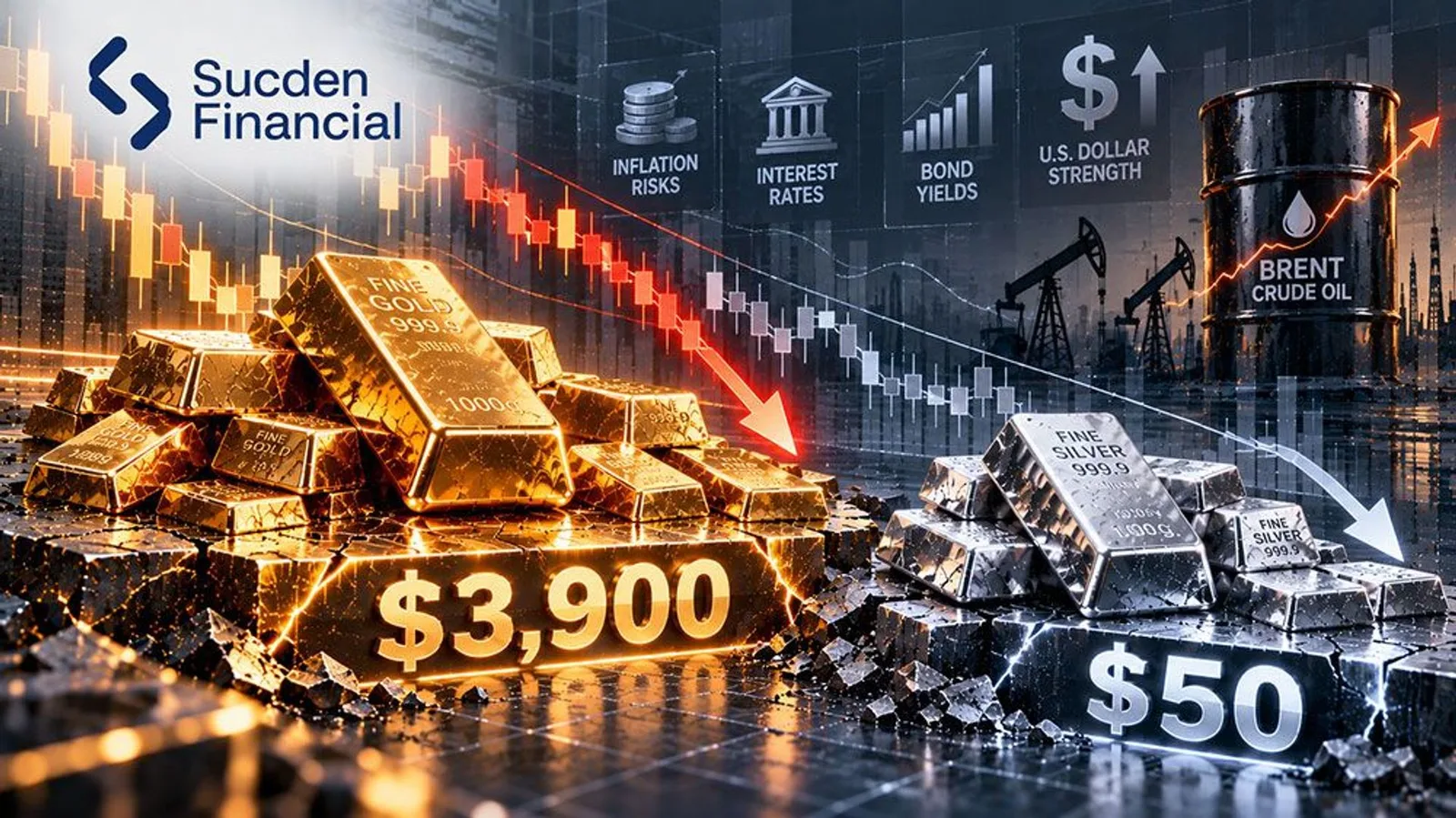
Gold prices may fall to $3,900 an ounce as Fed maintains tightening bias.
Silver could drop to between $50 and $53 an ounce amid weakening industrial demand.
Central banks continue to accumulate gold, providing a fundamental support despite market pressures.
Gold prices are currently holding above $4,000 an ounce, but analysts at Sucden Financial predict a downward trend by the end of the year. They anticipate that gold will test support levels around $3,900 ahead of the Federal Reserve's monetary policy meeting in December. Silver is expected to face even greater challenges, with prices projected to decline to between $50 and $53 as industrial demand weakens and interest rates remain high.
The Federal Reserve is expected to keep interest rates steady in the short term, but market analysts see a significant chance of a rate hike in December. Despite the bearish outlook for precious metals, Sucden Financial believes that both gold and silver could stabilize in early 2027 as the Fed nears the conclusion of its tightening cycle. They predict gold could recover to between $4,200 and $4,300 an ounce by mid-January, while silver might rebound to between $57 and $60.
The ongoing conflict in Iran is contributing to a challenging environment for precious metals, as rising energy prices are fueling inflation and keeping U.S. Treasury yields elevated. Analysts note that rather than benefiting from traditional safe-haven demand, gold has struggled due to investor focus on inflationary pressures stemming from geopolitical tensions. The report highlights that Brent crude oil prices exceeding $110 a barrel have increased the opportunity cost of holding non-yielding assets like gold and silver.
The U.S. economy continues to show resilience, with growth estimated at about 3.5% in the third quarter, bolstered by investments in artificial intelligence and healthy consumer spending. However, rising inflation, which reached 3.7% in September, poses challenges for gold and silver. The combination of slowing employment growth and persistent inflation complicates the Federal Reserve's ability to ease monetary policy, which traditionally supports precious metals.
Looking ahead, Sucden emphasizes that while central bank and ETF purchases provide some support for gold, the overall market remains vulnerable to further tightening of U.S. monetary policy. Silver faces additional risks due to its sensitivity to interest rates and declining industrial demand, particularly in the solar sector, where consumption is expected to drop significantly. The analysts warn that a sustained recovery in precious metals will depend on a more pronounced decline in oil prices and a shift in investor confidence regarding the Fed's tightening cycle.