Gold Prices Plummet Below $4,000 Amid Market Turmoil
Gold experiences a significant decline as rising oil prices and inflation fears overshadow safe-haven demand.
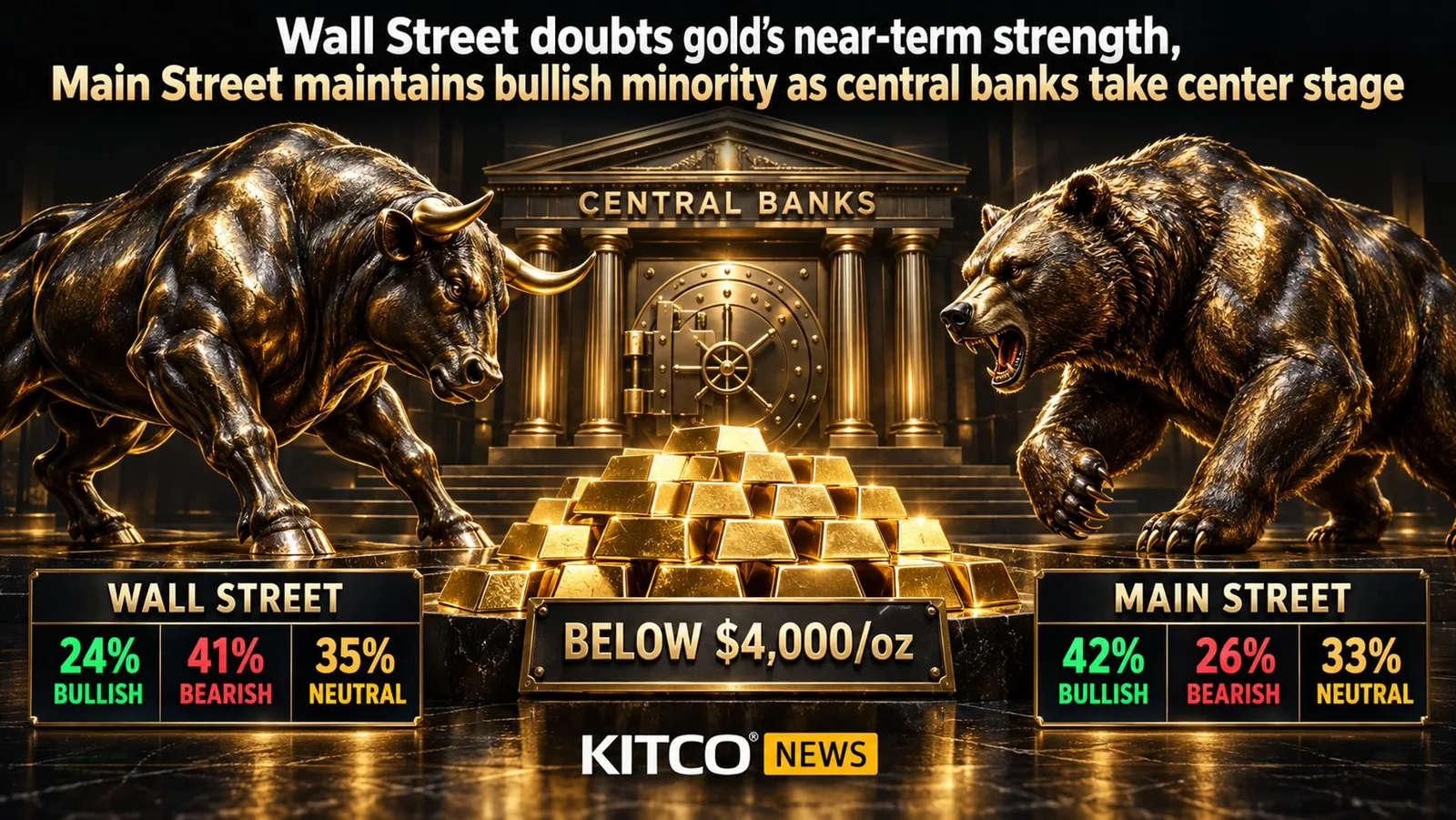
Gold prices fell to a weekly low of $3,975.10 per ounce, the lowest since June.
Wall Street sentiment turns bearish, with 41% of analysts predicting further declines.
Upcoming central bank meetings may influence future gold prices.
Gold prices have faced a notable downturn, closing the week below $4,000 per ounce for the first time since early June. The precious metal, which opened the week at $4,164.69, saw fluctuations but ultimately succumbed to market pressures, hitting a low of $3,975.10. Factors contributing to this decline include rising oil prices, persistent inflation concerns, and expectations of further tightening by the Federal Reserve.
The backdrop to this decline includes a series of economic indicators that have raised alarm among investors. Recent reports showed higher-than-expected Consumer Price Index (CPI) and Producer Price Index (PPI) figures, which have led to increased speculation regarding the Fed's monetary policy. As energy prices surged and Treasury yields remained elevated, traders adjusted their positions, leading to a sell-off in gold as a safe-haven asset.
Market analysts have expressed mixed sentiments regarding gold's trajectory. While Wall Street analysts have become increasingly pessimistic, with 41% predicting further declines, Main Street investors remain more optimistic. A recent Kitco News survey indicated that 42% of retail traders expect gold prices to rise in the coming week, despite the recent downturn. Notably, experts like Marc Chandler and Adrian Day have pointed out that while the technical indicators for gold appear weak, the support level around $4,000 may hold.
The implications of these market movements extend beyond individual investors. Central banks are set to dominate economic discussions next week, with significant meetings from the Federal Reserve, European Central Bank, and others. These decisions could have a profound impact on gold prices, as monetary policy shifts are closely tied to investor sentiment and market stability. Analysts are particularly focused on how these institutions will respond to current economic pressures.
Looking ahead, the market is bracing for potential volatility as traders await the outcomes of central bank meetings and economic data releases. The upcoming week will feature critical indicators such as Durable Goods Orders and Consumer Confidence, which could further influence gold's price movements. As uncertainty looms, many investors are adopting a cautious approach, weighing the risks of entering the market against the potential for recovery in gold prices.