Dow Jones Surges Over 1,000 Points Following Midterm Elections
US stock markets rallied significantly as Democrats secured majorities in the midterm elections, impacting investor sentiment.
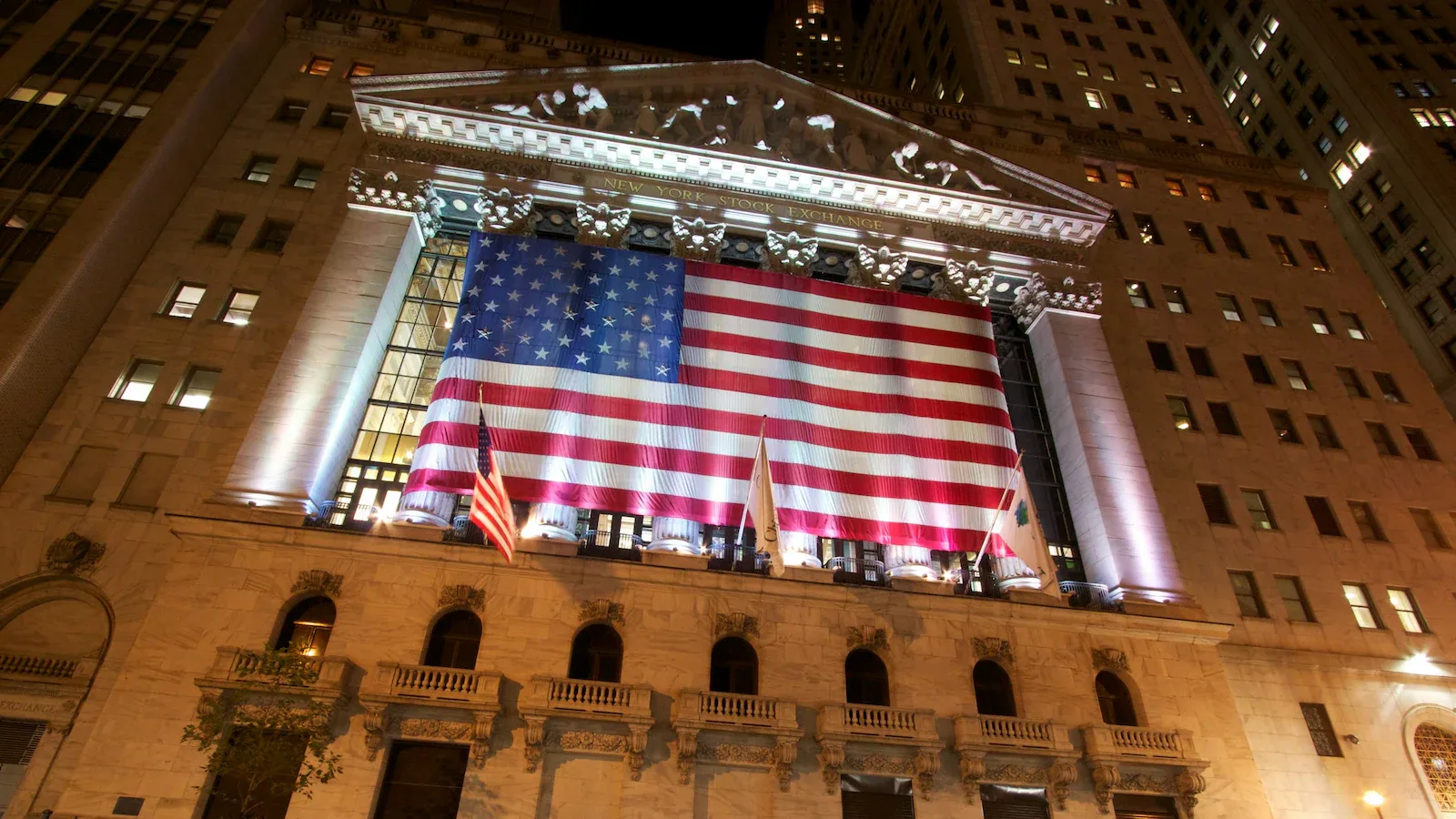
Dow Jones increased by 1,166.66 points, marking a 2.25% rise.
Democrats gained control of both the House and Senate, influencing market dynamics.
AI stocks faced declines amid concerns over potential regulatory restrictions.
In a remarkable market response, the Dow Jones Industrial Average surged over 1,000 points at the opening of trading on Wednesday, reflecting investor optimism following the Democratic victories in the US midterm elections. The index rose by 1,166.66 points, or 2.25%, reaching 52,953.38. This significant uptick was also mirrored by the S&P 500 and Nasdaq, which increased by 1.21% and 1.12%, respectively.
The Democratic Party's success in securing majorities in both the House of Representatives and the Senate, along with key gubernatorial wins, has shifted the political landscape. This outcome is expected to create a more balanced political environment, potentially limiting President Trump's policy initiatives, which have been characterized by tax cuts and tariffs that have contributed to inflationary pressures.
Market analysts noted that Trump's acceptance of the election results played a crucial role in calming investor nerves. Jay Woods, chief market strategist at Freedom Capital Markets, highlighted that the president's willingness to collaborate with Democrats has historically been favorable for market stability, despite ongoing uncertainties.
While the broader market experienced a rally, stocks associated with artificial intelligence faced selling pressure. Investors expressed concerns regarding potential restrictions on data center expansions, particularly following the election of Democratic gubernatorial candidate Gina Hinojosa in Texas, who has pledged to impose a moratorium on new data centers. This has raised alarms for companies like Oracle and CoreWeave, as well as Elon Musk's SpaceX, which operates in the state.
Looking ahead, historical trends suggest that markets often perform well under divided government, as political gridlock can mitigate drastic policy changes and regulatory uncertainties. Analysts believe that this election outcome may also pave the way for improved geopolitical stability, particularly in the Middle East, which could further influence market conditions positively.