Darius Khambata Critiques Tata Sons' Leadership Decision
Darius Khambata's resignation from Tata Trusts highlights concerns over N. Chandrasekaran's reappointment as chairman.
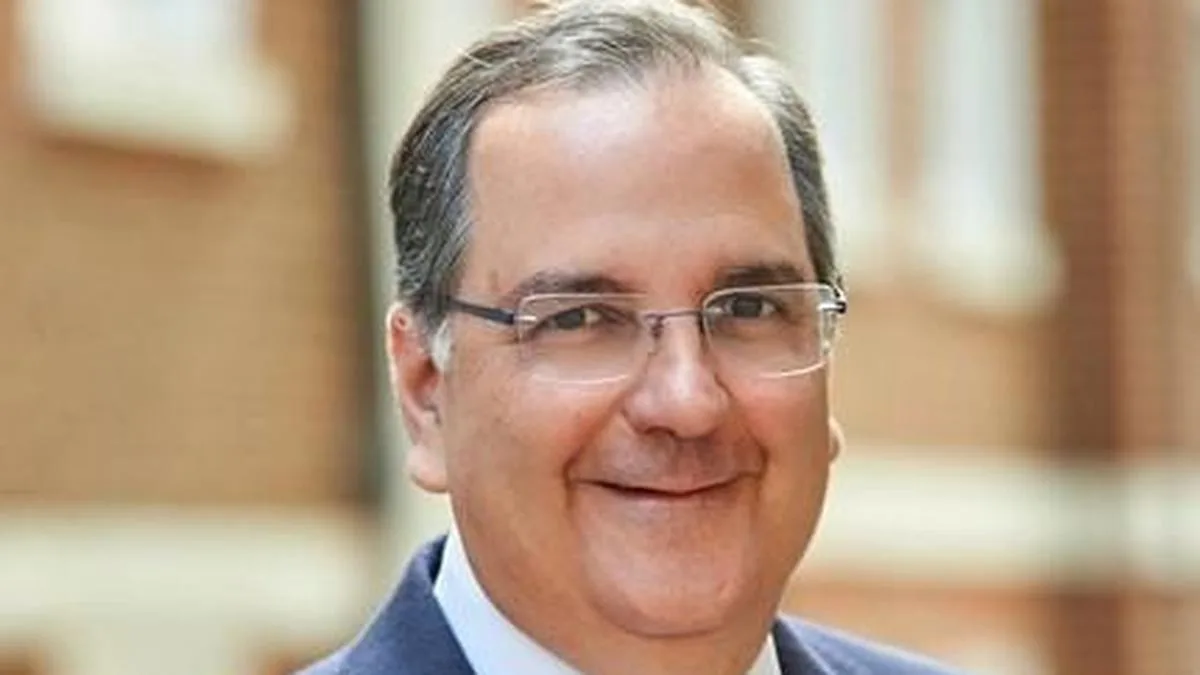
Darius Khambata claims Tata Sons' reputation has been damaged by Chandrasekaran's reappointment.
The decision has sparked division among Tata Trusts board members.
Ratan Tata's opposition to the reappointment raises questions about corporate governance.
In a significant development, Darius Khambata, a departing member of the Tata Trusts board, has publicly criticized the Tata Sons board's decision to extend N. Chandrasekaran's tenure as chairman for a third term. In a letter addressed to Noel Tata, the chairman of Tata Trusts, Khambata expressed that the events of September 17, 2026, have tarnished the reputation of Tata Sons and jeopardized the image of corporate India.
Khambata's remarks come in the wake of a contentious board meeting where the reappointment was approved. He stated that no amount of public relations efforts could obscure the implications of this decision. He questioned whether the board would have acted similarly had Ratan Tata, the former chairman, still been alive, implying that the decision reflects poorly on the governance of the organization.
The letter also highlighted internal divisions within the Tata Trusts, with Khambata aligning with Noel Tata against the reappointment. He noted that fellow board members, Vijay Singh and Venu Srinivasan, are in favor of a potential share sale, indicating a rift in strategy regarding the trusts' future. Khambata's term was set to conclude in November, and his decision to step down appears to be influenced by anticipated opposition from other board members.
The implications of this situation extend beyond internal governance, as it raises questions about the future direction of Tata Sons and its public image. The ongoing regulatory ban on the Sir Ratan Tata Trust adds another layer of complexity to the situation, as the trust's ability to influence corporate decisions remains limited. Khambata's resignation and the surrounding controversy could have lasting effects on stakeholder confidence in Tata Sons.
Looking ahead, the Tata Trusts must navigate these internal conflicts and public perceptions carefully. The upcoming months may see further discussions regarding the governance structure and strategic direction of Tata Sons, especially as the organization grapples with maintaining its legacy while addressing modern corporate challenges.