China Proposes Export Restrictions on 14 Key Technologies
China's draft plan introduces potential bans on technologies including AI, biotechnology, and solar power.
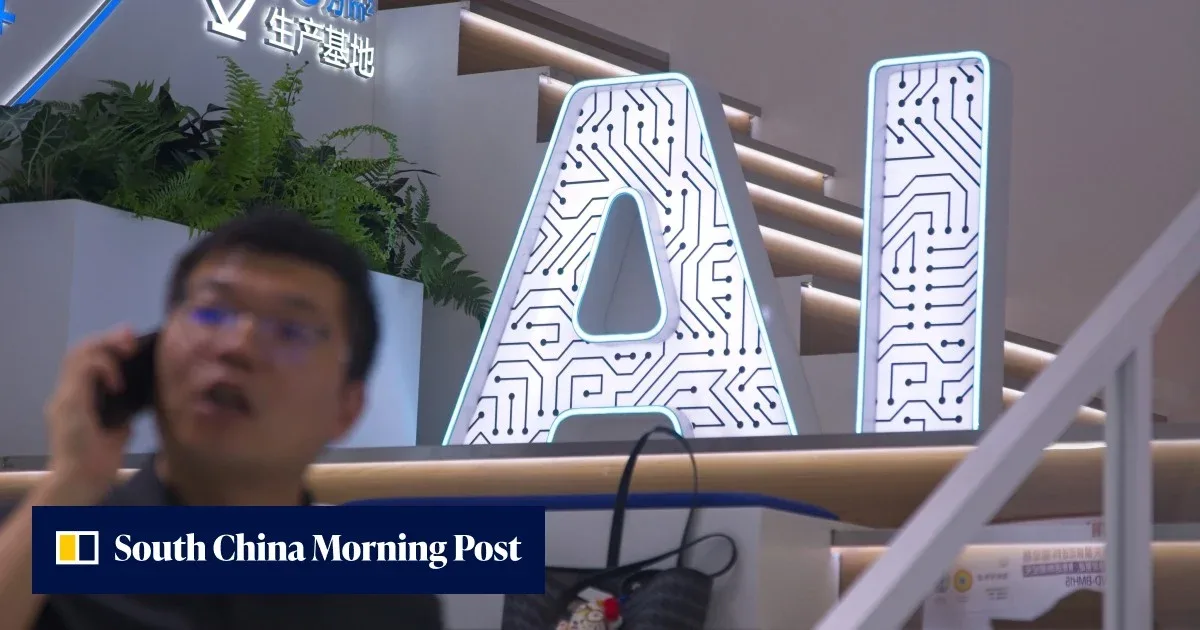
China's new draft plan targets 14 technologies for export bans.
The restrictions include AI, biotechnology, and solar power technologies.
Technologies in the public domain will not be affected by these measures.
On Friday, China announced a draft proposal aimed at implementing export restrictions on 14 critical technologies, spanning sectors such as artificial intelligence (AI), biotechnology, and photovoltaic solar power. This initiative, jointly issued by the Ministry of Commerce and the Ministry of Science and Technology, signifies a strategic move to control the outflow of sensitive technologies.
The proposed restrictions encompass a range of AI-related technologies, including advanced AI models, agents, and computing clusters. Additionally, the draft identifies specific platforms for cell and gene therapy, as well as technologies related to the production of certain solar cell modules. Furthermore, it outlines an additional 26 technologies from these sectors that would also face new export limitations.
The measures focus on 23 distinct areas within AI, reflecting China's commitment to safeguarding its technological advancements. However, the draft explicitly states that these restrictions will not extend to technologies that are already publicly available, such as open-source systems or those documented in academic literature, ensuring that the academic and research communities are not hindered.
This move is expected to have significant implications for global technology markets, particularly in sectors where China has established itself as a leader. The restrictions may affect international collaborations and the supply chain dynamics for companies relying on Chinese technology. As nations grapple with technological competition, these measures could further escalate tensions in the global tech landscape.
Looking ahead, the draft proposal will undergo a period of public consultation before any final decisions are made. Stakeholders, including businesses and academic institutions, will likely voice their opinions on the potential impact of these restrictions. The outcome of this consultation will be crucial in determining the future of technology exports from China and its position in the global market.