Brent Crude Surges to $95.90 Amid Middle East Tensions
Oil prices rebound as geopolitical threats in the Middle East overshadow global supply concerns.
Brent crude prices rose to $95.90 per barrel, a significant increase from recent lows.
Yemen's Houthi forces claimed attacks on Saudi oil infrastructure, contributing to market volatility.
Analysts predict that sustained price declines will require clearer evidence of supply surpluses.
Oil prices have shown a notable recovery, with Brent crude for January delivery rising by 1.3% to $95.90 per barrel as of noon ET on Thursday. This increase follows a low of $89.37 per barrel earlier in the week, driven primarily by renewed fears of supply disruptions in the Middle East, overshadowing previous concerns about a global surplus.
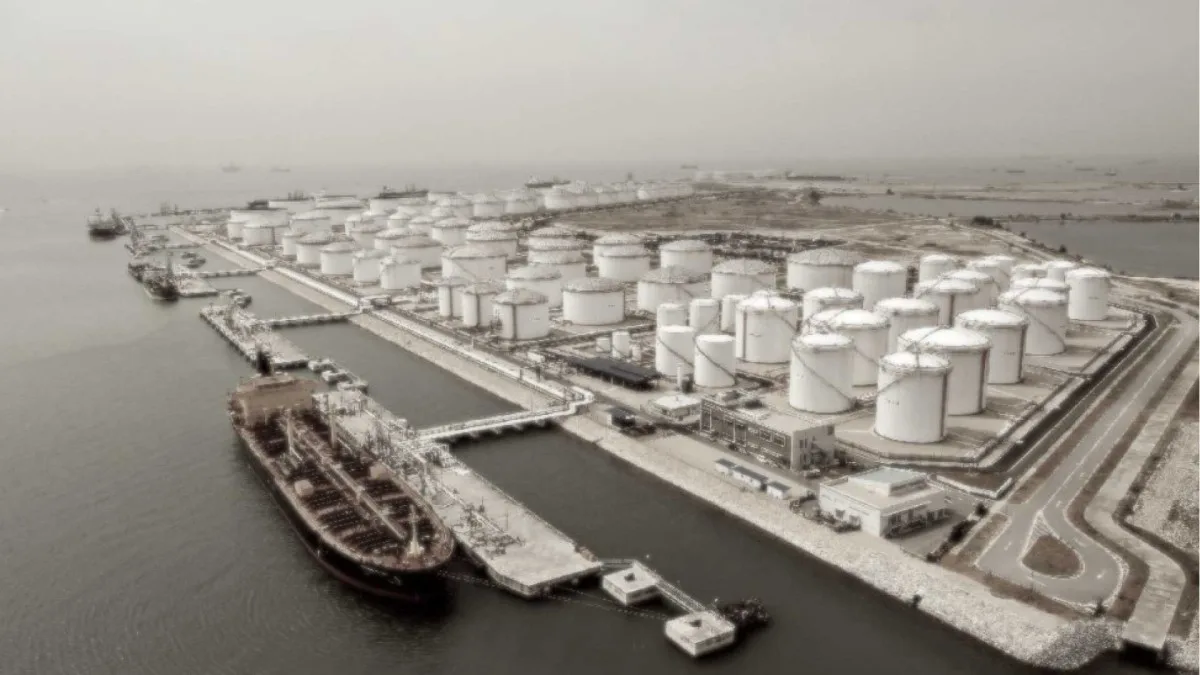
The backdrop to this price surge includes recent claims by Yemen's Houthi forces, who stated that their strikes on Saudi Arabia's Ras Tanura oil refinery resulted in significant fires, as evidenced by satellite imagery showing thick smoke over the site. Additionally, the Houthis reported multiple attacks on Riyadh's financial district, injuring 11 people in a recent strike. These developments have heightened geopolitical tensions, which are influencing oil market dynamics.
In the week ending November 20, U.S. commercial crude oil inventories increased by 1.1 million barrels, reaching 418.9 million barrels. This marks the third consecutive weekly rise, attributed to higher net imports and domestic production, despite a drop in crude exports to their lowest levels since early August. Traders are now closely monitoring the upcoming OPEC+ ministerial meeting scheduled for November 29, where discussions will focus on production policies amid diverging views on supply forecasts.
Standard Chartered analysts suggest that oil prices are unlikely to fall below recent lows without clear evidence of sustained inventory builds or a rapid recovery in physical supply. They note that Brent crude has been consolidating around the low $90s per barrel, following a significant correction from late October highs. The analysts also highlighted a bearish sentiment in the market, reinforced by the International Energy Agency's upward revision of Q4 supply estimates, indicating a quicker recovery in Gulf production than previously anticipated.
Looking ahead, the OPEC+ meeting on Sunday could have significant implications for oil prices, particularly if members decide to adjust their production strategies in response to growing surplus forecasts. Iraq's increased influence within the group, following the UAE's departure, may also play a crucial role in the discussions. The outcome of this meeting could either stabilize prices or lead to further volatility in the oil market, depending on the collective actions taken by member countries.