Asian Markets Decline as US Midterm Elections Favor Democrats
Asian stock markets experienced significant declines on November 4, 2026, following early results from the US midterm elections.
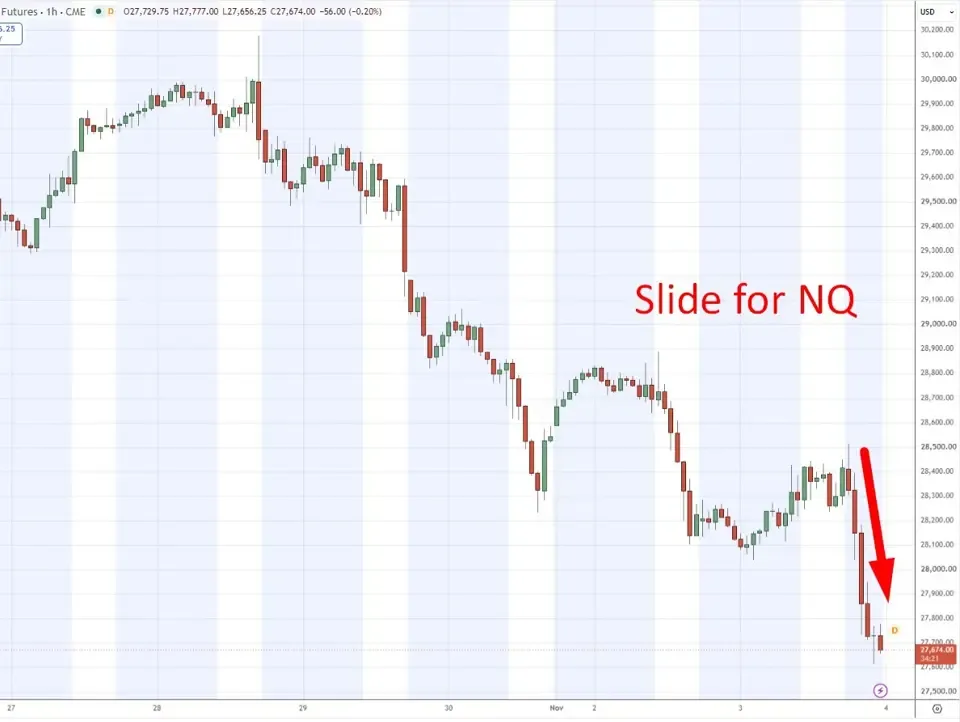
Asian stocks fell sharply, with Japan's Nikkei down 4.4% and South Korea's Kospi down 3.3%.
Brent crude oil prices hovered around $103 amid escalating tensions in the Strait of Hormuz.
New Zealand's unemployment rate rose to 5.7%, marking an 11-year high and impacting economic forecasts.
On November 4, 2026, Asian stock markets faced a notable downturn as preliminary results from the US midterm elections indicated a Democratic lead in both the House and Senate. This political shift prompted investors to sell off AI-related stocks, with Japan's Nikkei index plummeting by 4.4% and South Korea's Kospi by 3.3%. The declines were exacerbated by concerns over potential regulatory scrutiny of AI investments in the United States.
The midterm elections have historically influenced market sentiment, and this year's results are no exception. With Democrats poised to gain control, traders are bracing for possible legislative gridlock and prolonged negotiations over fiscal policies. The S&P 500 e-mini futures were trading around 7,510, while Nasdaq futures hovered near 27,710, reflecting the tech sector's vulnerability to these political developments.
In the energy sector, Brent crude oil prices remained elevated at approximately $103 per barrel, driven by rising tensions in the Strait of Hormuz. Iran's Revolutionary Guards claimed responsibility for attacks on four tankers in the area, although these assertions have not been independently verified. The geopolitical climate remains tense, with ongoing discussions between Iran and the US regarding sanctions and military presence in the region.
Meanwhile, New Zealand reported a rise in its unemployment rate to 5.7%, the highest level in over a decade, which has implications for the Reserve Bank of New Zealand's monetary policy. This increase in joblessness, coupled with a slowdown in wage growth, could hinder the central bank's plans to raise interest rates in December, following a recent pause in hikes.
Looking ahead, market participants will be closely monitoring the outcomes of the US midterm elections and their potential impact on economic policies. Additionally, developments in the energy sector and employment statistics from New Zealand will be critical in shaping investor sentiment in the coming weeks.