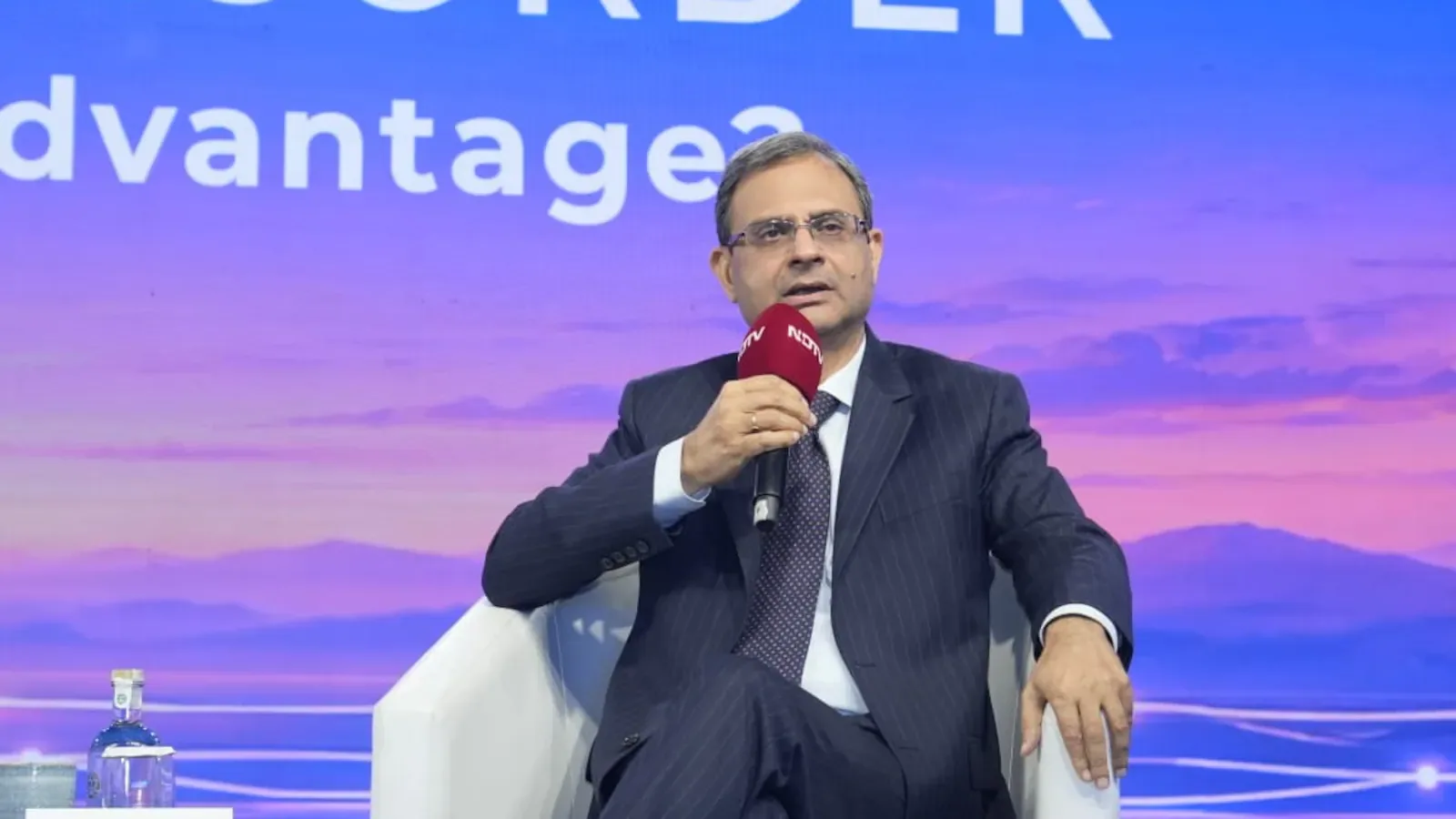
AI Agents Could Soon Outnumber Humans, Says Futurist Mike Walsh
At the NDTV World Summit 2026, Mike Walsh predicts a significant shift in AI's role, with autonomous agents becoming commonplace.
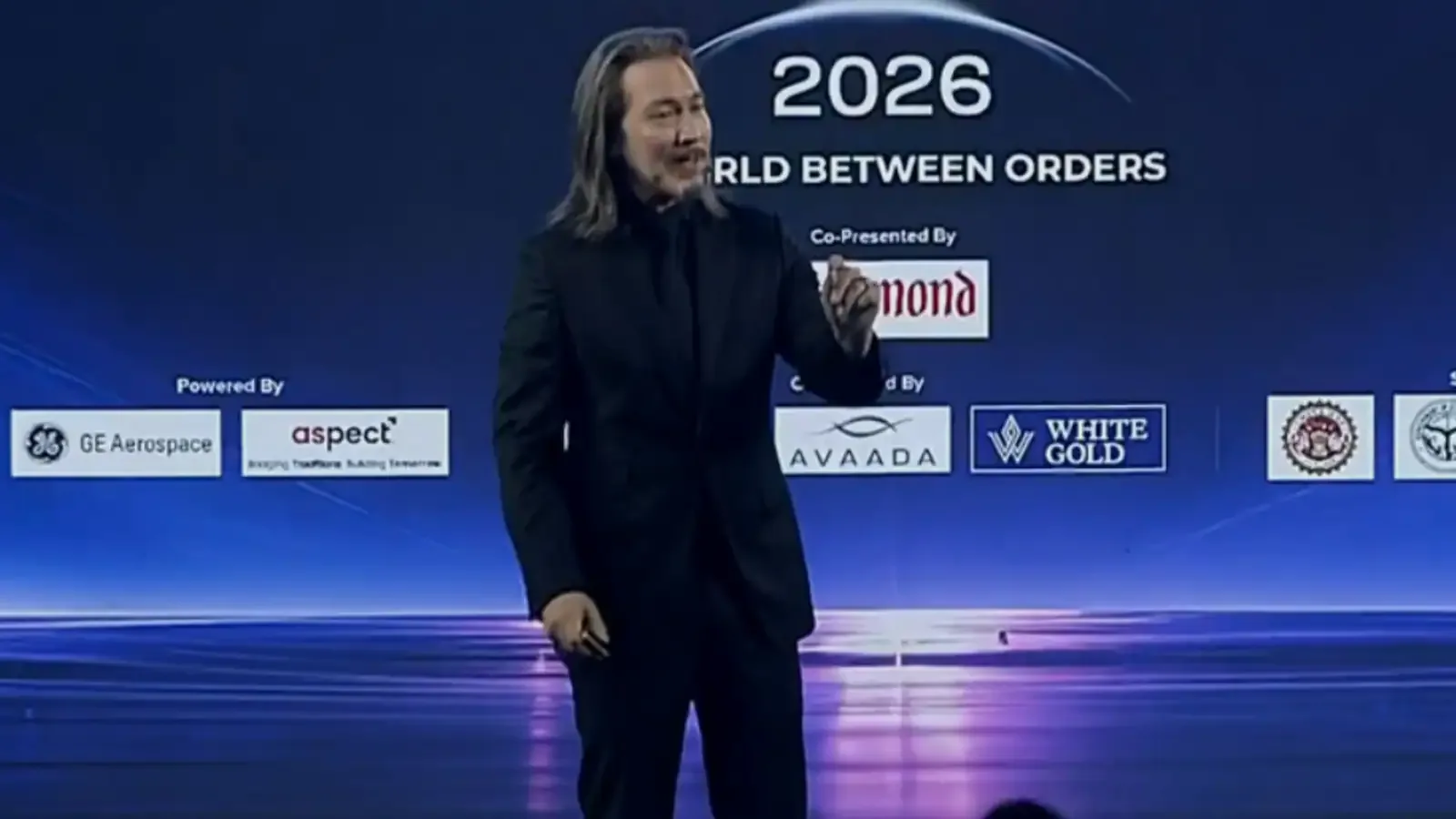
Mike Walsh forecasts that AI agents may soon surpass human numbers globally.
India is expected to be a key player in the evolving AI landscape.
The rise of AI could create new job opportunities outside traditional educational pathways.
During the NDTV World Summit 2026, futurist Mike Walsh highlighted a transformative shift in artificial intelligence, suggesting that within the next decade, AI agents could outnumber humans. Walsh emphasized that these autonomous agents will not only execute tasks but also engage with businesses on behalf of individuals, marking a significant evolution from AI's current role as a mere tool responding to human commands.
Walsh pointed out that India is poised to become a pivotal market in this AI revolution. He noted, "The most interesting development is that there could soon be more AI agents on the planet than people." This statement underscores the early signs of this transformation, evidenced by the increasing use of AI tools like ChatGPT and various digital assistants.
In his address, Walsh elaborated on the implications of these advancements, stating that AI systems would facilitate low-value transactions autonomously, thereby establishing a comprehensive ecosystem of personal AI. He acknowledged the challenges faced by millions of young Indians entering the workforce annually, highlighting the potential for AI to create new opportunities that diverge from the traditional educational trajectory.
The impact of this shift could be profound, not only for individuals but also for the broader Indian economy. As AI becomes more integrated into daily operations, it may redefine employment landscapes and educational frameworks, prompting a reevaluation of how skills are acquired and utilized in the job market.
Looking ahead, Walsh urged stakeholders to consider the future of AI beyond the current narrative of scarcity, which often focuses on resource limitations and job displacement. Instead, he encouraged a perspective of abundance, where knowledge and expertise become widely accessible, potentially reshaping societal structures and individual opportunities in unprecedented ways.